10 Quiet Dogs That Do Not Bark Much
My old beagle mix could be heard three houses away. He taught me a lot about what drives barking: boredom, fear, a missed walk, a squirrel on the fence. His breed set the volume. My habits set how often he used it.
No dog is silent, and the breeds below are no exception. They simply tend to bark less, often only when something is wrong. Quiet breeds still make noise in other ways. Bulldogs snore, Shibas scream at nail trims and lonely Cavaliers whine. A quiet dog that gets too little exercise or company can also learn to bark like any other. So pick a calm breed, then do the daily work that keeps it calm: walks, sniffing time, company and a few minutes of training.
How we picked: I started with breeds that score 1 or 2 for barking in our profiles, then cut any that tend to howl or bay a lot instead.
-
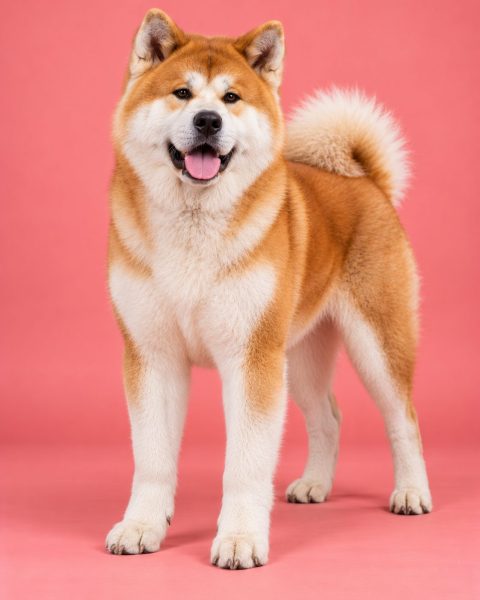
1Akita
Large · 70 to 130 lb · 10 to 14 yrs
Experienced ownersMedium energyOften intolerant of other dogsAkitas save their voice for real news. When one barks, there is usually someone at the gate worth checking. That silence comes with a serious, watchful nature, and many will not share a home with another dog. This is a breed for an experienced owner who wants a calm guardian, not a dog park regular.
Full Akita profile → -
2Bulldog (English Bulldog)
Medium · 40 to 50 lb · 8 to 10 yrs
ApartmentsCouch-level energySkin fold infectionsYou will hear a Bulldog more at night than in the day. Barking is rare, but snoring, snorting and grunting can fill a bedroom. Those sounds come from a short airway, so ask your vet what is normal for your dog, and keep a close eye on its breathing in warm weather.
Full Bulldog (English Bulldog) profile → -
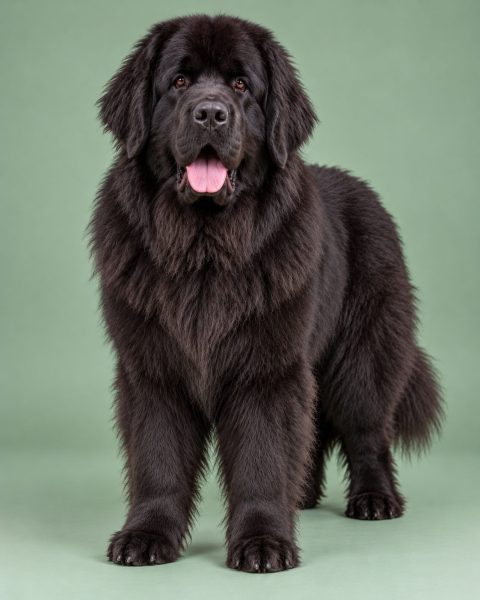
3Newfoundland
Giant · 100 to 150 lb · 9 to 11 yrs
Families with kidsLow energyHeavy droolBig dog, small talk. A Newfoundland barks rarely, and when it does, the deep sound tends to stop visitors on the step. Most of the time it lies on the floor and watches the kids. Plan for drool, though, plenty of it, and a coat that leaves tumbleweeds of hair in every corner.
Full Newfoundland profile → -
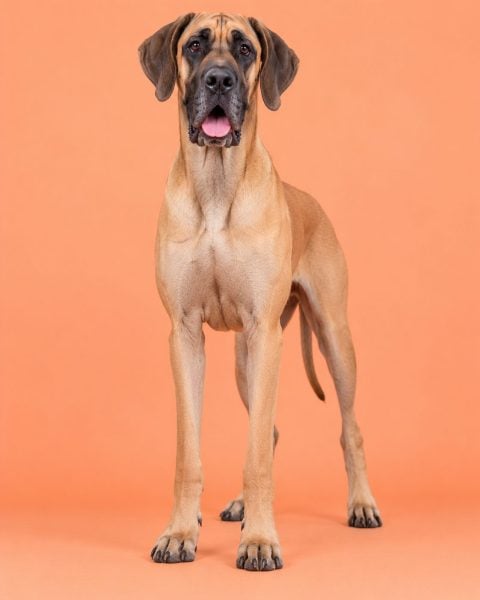
4Great Dane
Giant · 110 to 175 lb · 7 to 10 yrs
Families with kidsMedium energyShort lifespanMost Great Danes use their huge bark sparingly, and many adults spend the afternoon stretched across the sofa. Quiet does not mean small, though. Food, beds, crates and vet care all come in giant sizes. The breed's life is short too, often seven to ten years, which is worth facing before you fall for one.
Full Great Dane profile → -
5Golden Retriever
Large · 55 to 75 lb · 10 to 12 yrs
Families with kidsHigh energyHigh cancer riskGoldens tend to greet trouble rather than announce it. Many give a single woof at the doorbell and then fetch a toy for whoever walked in. Where they do get noisy is loneliness. A Golden left for long days can whine and chew, so this quiet dog needs a home with plenty of company.
Full Golden Retriever profile → -
6Cavalier King Charles Spaniel
Small · 13 to 18 lb · 12 to 15 yrs
First-time ownersMedium energyEarly heart valve diseaseCavaliers rarely bark for long, which makes them easy neighbors in a building. The noise you may get is crying. Many struggle when left alone, and a distressed Cavalier can whine for hours. Practice short absences from puppyhood, and line up help if you work long days away from home.
Full Cavalier King Charles Spaniel profile → -
7Shiba Inu
Small · 17 to 23 lb · 13 to 16 yrs
Experienced ownersMedium energyUnreliable off leashBarking is not a big Shiba habit, and owners often compare the breed to a cat. Then you trim its nails. The Shiba scream is loud, high and dramatic, and it also comes out when the dog feels handled unfairly. Short, calm grooming sessions with good treats make those moments easier on everyone.
Full Shiba Inu profile → -
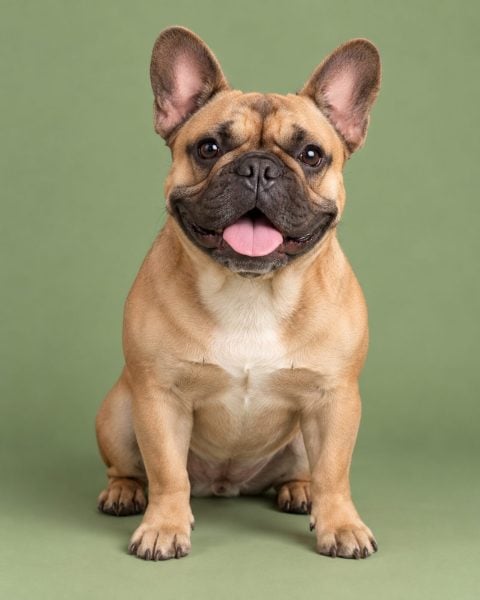
8French Bulldog
Small · 18 to 28 lb · 10 to 12 yrs
ApartmentsLow energyBreathing problemsExpect snuffles and snorts from a Frenchie, not much barking, which suits thin apartment walls. Short walks and a warm lap keep it content. Its airway is the weak point. Breathing trouble and heat stress are common in the breed, and many need surgery, so budget for vet bills from the start.
Full French Bulldog profile → -
9Rottweiler
Large · 80 to 135 lb · 9 to 10 yrs
Experienced ownersMedium energyVery strong and heavyA grown Rottweiler tends to watch first and bark later, if at all. That calm is part of what makes it a strong guardian. It is also a powerful dog of 80 to 135 lb. It needs an experienced owner, steady training and early social time with people and other dogs.
Full Rottweiler profile → -
10Shih Tzu
Toy · 9 to 16 lb · 10 to 18 yrs
ApartmentsLow energyHeat and breathing limitsFew small breeds stay as quiet as a Shih Tzu, which barks less than many toy dogs. It is friendly with guests and other pets, so a doorbell is rarely a crisis. House training can drag on, though, and the long coat needs brushing most days or a short clip from a groomer.
Full Shih Tzu profile →






If your quiet dog starts barking, treat it as a message. Something changed: less exercise, a new noise, more time alone, or pain. Look for the cause before you look for a fix. Sudden barking in an older dog is worth a vet visit. And skip collars that shock or spray, since they hide the reason and can make fear worse.
FAQ
Is there a dog breed that never barks?
No. Every dog can bark, and quiet breeds may still whine, snore or howl. The dogs here tend to use their voice less, but a bored or anxious one can still get loud.
Which breeds are noisy without barking much?
Huskies and Malamutes often howl and woo instead of barking, and Samoyeds talk all day. Beagles and Basset Hounds bay, a long howl that carries through walls. If thin walls worry you, skip these breeds whatever their bark score says.
Can more exercise cut down barking?
It often helps. A dog that got a real walk, some sniffing time and a puzzle feeder has less energy left for the window. It will not fix barking driven by fear, which needs a qualified trainer or behaviorist.
Breed information is general and every dog is an individual. Not veterinary advice.