Golden Retriever
Soft, social and goofy, with a cancer risk you should know about

- Group
- Sporting
- Size
- Large
- Weight
- 55 to 75 lb
- Height
- 21 to 24 in
- Lifespan
- 10 to 12 years
- Coat
- Long
- Origin
- Scotland
- Puppy price
- $1,500 to $3,500
- Monthly cost
- $150 to $300 a month
Prices are rough US ranges and vary a lot by region.
Good for
Watch out
The ten scores
higher is easier to live with higher means more work, noise or cost. All scores 1 to 5.
What living with a Golden Retriever is like
Start with the hard fact. Golden Retrievers have one of the highest cancer rates of any breed, and older surveys found that about six in ten goldens died of it. The Morris Animal Foundation has followed more than 3,000 goldens since 2012 to learn why. Nobody can promise you a long life with this breed, and it helps to go in knowing that.
Day to day, a golden is soft, social and a little goofy. Most treat strangers as guests and other dogs as playmates. They were bred in Scotland in the 1800s to bring back shot birds without damaging them, and you can still see it. Many carry a toy to the door to greet you, sometimes with a low, happy groan. They want to be with you in the kitchen, the car and the bathroom.
That closeness cuts both ways. A golden left alone for long days may chew, whine or dig. The long coat sheds heavily and collects mud, sticks and burrs on every walk. In return you get a dog that learns quickly, enjoys obedience work and usually does well with kids who are taught how to treat a dog. A home with time, a yard and a good vacuum suits it best. Goldens stay playful well into middle age, so a calm adult may take three years to appear. They are rarely good watchdogs, and they fit a family that wants a shadow more than a guard.
Care basics
Exercise
A grown golden needs about an hour or more each day, and field lines often want more. Mix it up: a walk in the morning, fetch or a swim later, and a sniff game indoors on rainy days. Goldens stay puppyish for years, so a three-year-old may still act like a teen.
Grooming
Brush two or three times a week with a slicker and a comb, working down to the skin. Trim the feathers on the feet, ears and tail every few weeks, or have a groomer tidy them. Do not shave the coat, since the double layer helps with heat and sun. Check the ears, which stay warm and damp under the flap.
Training
Goldens pick up cues fast and love praise as much as food. The trouble spots are jumping up and mouthing hands, both done out of joy. Keep sessions playful and short. Many goldens shine at obedience, therapy visits or scent games once the basics are solid.
Feeding
Two measured meals a day work for most adults. Goldens are less food-crazed than Labs, yet many put on pounds after being spayed or neutered, so trim portions as the body changes. Run your hand along the side: ribs should be easy to feel, with a waist you can see from above.
Health checks
Ask to see hip, elbow, eye and heart results for both parents, and an NCL DNA result. As your golden ages, feel for new lumps during brushing and have any you find checked. Yearly vet exams, then twice yearly for seniors, give a chance to catch problems early.
Home setup
Goldens fit best in a busy home where someone is around much of the day. A yard helps, but company matters more than space. Keep towels by the door, because a golden will find every puddle on the walk. Hot days call for shade, water and walks at dawn or dusk.
Health conditions common in the breed
| Condition | What to know |
|---|---|
| Cancer | Hemangiosarcoma, lymphoma and bone cancer are all seen more often in goldens than in many breeds. Pale gums, a swollen belly or sudden weakness need a vet right away. |
| Hip and elbow dysplasia | Loose joints that can lead to arthritis and stiffness. Screening the parents lowers the odds but cannot remove them. |
| Subaortic stenosis | A narrowing below a heart valve that runs in families. A cardiologist can often hear it before signs appear, so ask your vet whether a heart check makes sense. |
Not every Golden Retriever will have these. Your vet can tell you what to screen for and when.
Common behaviour questions
Why does my golden grab a shoe every time I come home?
Carrying things is wired into the breed, and the greeting rush needs an outlet. Leave a soft toy by the door so your dog has something better to grab. Praise the carry and calmly swap out the shoe.
Why does my golden puppy grab my hands and sleeves?
Retriever puppies explore with their mouths. Stop play when teeth touch skin, then offer a tug toy instead. Most goldens grow out of it with steady practice by about a year.
Why does my golden cry when I leave the room?
Many goldens bond hard and dislike being apart, even for minutes. Practice short absences, give a stuffed food toy when you go, and come and go calmly. If it grows into panic, a vet or behaviorist can help.
FAQ
Will a golden guard my house?
Not really. A golden may bark when someone knocks, then greet the stranger with a wagging tail. Pick another breed if protection matters to you.
What is the difference between field and show goldens?
Field goldens tend to be lighter, darker red and more driven to work. Show goldens are often heavier, paler and calmer indoors. Ask a breeder what their dogs are like at home.
At what age do goldens settle down?
Many settle between two and three years old, though some stay bouncy longer. Daily exercise and training help more than waiting. A calm golden at five is common, and a calm one at one year is rare.
Not veterinary advice. Breed traits are averages and every dog is an individual. Talk to your vet about your own dog's health.
Sources
- ukcdogs.com /golden-retriever
- westminsterkennelclub.org /breed/golden-retriever/
- morrisanimalfoundation.org /article/golden-retriever-lifetime-study-reaches-500-diagnoses-4-major-cancers
Similar breeds to compare

Labrador Retriever
Large · 55 to 80 lb · 10 to 12 yrs
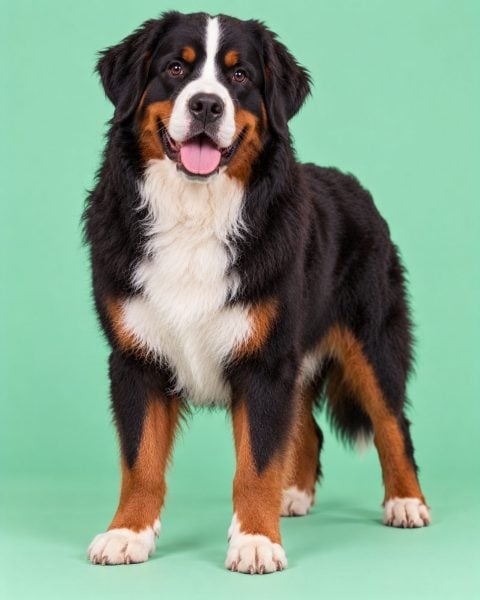
Bernese Mountain Dog
Large · 70 to 115 lb · 7 to 10 yrs

Cavalier King Charles Spaniel
Small · 13 to 18 lb · 12 to 15 yrs
The 10-question quiz asks about your home, your week and your patience, then points you to one breed to read about first.