Cavalier King Charles Spaniel
A soft, sociable lap spaniel with a heart that needs watching

- Group
- Toy
- Size
- Small
- Weight
- 13 to 18 lb
- Height
- 12 to 13 in
- Lifespan
- 12 to 15 years
- Coat
- Long
- Origin
- England
- Puppy price
- $2,000 to $4,500
- Monthly cost
- $120 to $250 a month
Prices are rough US ranges and vary a lot by region.
Good for
Watch out
The ten scores
higher is easier to live with higher means more work, noise or cost. All scores 1 to 5.
What living with a Cavalier King Charles Spaniel is like
Sit down anywhere and a Cavalier will find your lap within a minute. This little spaniel was bred to keep people company, and it still takes the job seriously. It follows you from room to room, sleeps pressed against your leg and greets guests like old friends. Most get along with kids, cats and other dogs with very little fuss.
The hard part is health, and you should know about it before you fall for the face. Heart valve disease is far more common in this breed than in dogs overall, and it often shows up early. Welfare researchers report that about half of Cavaliers have a heart murmur by age five. Some also deal with a painful condition where the back of the skull is too small for the brain. That means more vet visits, so price pet insurance before you bring a puppy home. Ask any breeder about heart checks and MRI scans of the parents.
Day to day, a Cavalier is easy to live with. It is happy with two decent walks, likes a sniff around the park and does not need a big yard. It learns fast with treats and praise. It does not like being alone, though. A home where someone works from home, or a retired couple, usually suits it better than a house that sits empty from eight to six. Give it company and it gives a lot back.
Care basics
Exercise
Two walks of 20 to 30 minutes a day keep most Cavaliers fit and calm. Many still have a bit of spaniel in them and will chase a bird across a field, so keep the leash on near roads. On hot days, walk early or late. If your dog tires fast or coughs after short walks, mention it to your vet, since it can be an early heart sign.
Grooming
The silky coat sheds a moderate amount and tangles behind the ears and on the legs. Brush two or three times a week with a pin brush. Check and clean the long ears weekly, because they trap warmth and moisture. Trim the hair between the paw pads so your dog does not slip on hard floors. A bath once or twice a month is plenty.
Training
Cavaliers want to please you and love food, which makes training a pleasure. Keep sessions short and upbeat, because harsh words make this soft breed shut down. Teach a solid recall early, as the spaniel nose can win over your voice. Practice short absences from puppyhood so being alone feels normal and not scary.
Feeding
Weight creeps on quickly in this breed, and extra pounds put more strain on a heart that may already be working hard. Weigh out each meal instead of guessing with a scoop. Count training treats as part of the day's food. If you can no longer feel the ribs under a light touch, cut back a little and ask your vet for a target weight.
Health checks
Ask your vet to listen to the heart at every yearly visit, even in a young dog. Breed clubs suggest heart checks by a cardiologist for breeding dogs, and MRI scans for the skull and spine problem. Your vet can tell you what to screen for and when. At home, watch for scratching at the neck or yelping when touched there.
Home setup
A flat or small house works well if someone is home for much of the day. Cavaliers are not guard dogs and would greet a burglar warmly. They like soft beds, sunny spots and being close to you. Ramps or steps help them on and off the sofa as they age.
Health conditions common in the breed
| Condition | What to know |
|---|---|
| Mitral valve disease | A leaky heart valve that is the leading cause of death in the breed. It often starts as a murmur years before any signs show. |
| Syringomyelia | Fluid pockets form in the spinal cord because the back of the skull is too small. Signs include scratching at the air near the neck and pain when touched. |
| Ear problems | Long, heavy ears hold in warmth and moisture, and some Cavaliers get ear infections or fluid in the middle ear. Head shaking or a bad smell is worth a vet visit. |
Not every Cavalier King Charles Spaniel will have these. Your vet can tell you what to screen for and when.
Common behaviour questions
Why does my Cavalier cry every time I leave the room?
This breed was made to be near people, so even a short gap can feel big. Start by leaving for a few seconds and come back before the crying starts, then slowly stretch the time. If it is severe, talk to your vet or a qualified behaviorist.
My Cavalier scratches at its neck without touching it. Is that normal?
Air scratching, where the back leg moves near the neck but does not make contact, is a known sign of syringomyelia. It is not a habit to train away. Film it on your phone and show your vet.
Why does my Cavalier bolt after birds at the park?
Under the lap dog look is a hunting spaniel nose and a quick chase instinct. Use a long line in open spaces and reward it well each time it turns back to you.
FAQ
Are Cavaliers good for first-time owners?
Often, yes. They are gentle, keen to learn and forgiving of small mistakes. The main things to plan for are health costs and not leaving them alone for long stretches.
Do Cavaliers bark much?
Not usually. Most give a few barks at the door and then settle. They are more likely to bring a toy to a visitor than to warn you about one.
How long do Cavaliers live?
The AKC gives about 12 to 15 years. Heart disease cuts some lives short, so regular heart checks matter a lot in this breed.
Not veterinary advice. Breed traits are averages and every dog is an individual. Talk to your vet about your own dog's health.
Sources
- petmd.com /dog/breeds/cavalier-king-charles-spaniel
- scienceforanimalwelfare.org /species/dogs/cavalier-king-charles-spaniel-ckcs/mitral-valve-disease-mvd/
- scienceforanimalwelfare.org /species/dogs/cavalier-king-charles-spaniel-ckcs/
Similar breeds to compare

American Cocker Spaniel
Medium · 20 to 30 lb · 10 to 14 yrs

Cavapoo
Small · 8 to 25 lb · 12 to 15 yrs
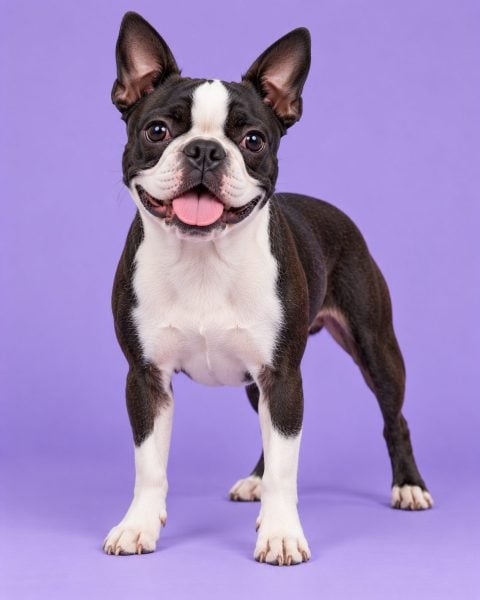
Boston Terrier
Small · 12 to 25 lb · 11 to 13 yrs
The 10-question quiz asks about your home, your week and your patience, then points you to one breed to read about first.