American Cocker Spaniel
A sweet, merry little spaniel with a coat that needs real upkeep

- Group
- Sporting
- Size
- Medium
- Weight
- 20 to 30 lb
- Height
- 13.5 to 15.5 in
- Lifespan
- 10 to 14 years
- Coat
- Long
- Origin
- United States
- Puppy price
- $1,200 to $3,500
- Monthly cost
- $130 to $260 a month
Prices are rough US ranges and vary a lot by region.
Good for
Watch out
The ten scores
higher is easier to live with higher means more work, noise or cost. All scores 1 to 5.
What living with a American Cocker Spaniel is like
Ask a groomer about American Cocker Spaniels and you will likely get a sigh and a smile. The long, silky coat is the breed's showpiece and its biggest chore. Kept long, it needs daily brushing to stop mats. Even clipped short, it needs a professional trim every six to eight weeks. Skip it and the coat felts into painful knots, and the skin underneath can get sore.
Those long ears are the second job. They trap warmth and moisture, so ear infections are common. Weekly checks and cleaning help a lot. Eyes need watching too, as some lines carry inherited eye disease. Ask breeders what tests the parents have had.
So why do so many people love this breed? A good Cocker is merry, soft and fond of everyone. It is the smallest of the AKC's sporting spaniels, built to flush birds out of brush. So it enjoys a walk, a swim and a game of fetch, but it is not hyper. It fits in a flat or a house and often does well with kids who are gentle. Cockers are sensitive. A harsh word can hurt their feelings for an afternoon, so gentle training works best. They also hate being left alone outdoors for long. Kept close and kept groomed, a Cocker is a sweet companion for many years.
Care basics
Exercise
Most Cockers are happy with 45 minutes to an hour a day of walks and play. Many love water and fetch, and they do well at agility and obedience. After swims or rainy walks, dry the ears well. Burrs and grass seeds cling to the feathered legs, so check them after field walks.
Grooming
If the coat stays long, brush every day down to the skin and bathe weekly. Many pet owners pick a short clip, which still means a groomer every six to eight weeks. Trim the hair under the ears and between the pads. Budget for grooming as a fixed monthly cost, and note that prices vary by region.
Training
Cockers are eager to please and work well for food and praise. They are soft natured, so harsh tones can make them shy or nervous. Teach them to stand still for brushing and having their ears and paws handled from day one. It makes every grooming visit easier.
Feeding
Cockers often gain weight once their adult energy settles, and the coat hides a belly well. Feel for ribs by hand instead of trusting your eyes. Use a narrow, deep bowl so the long ears do not drag in food and water. Ask your vet to help set portions.
Health checks
Look in the ears weekly for redness, smell or brown wax. Watch the eyes for cloudiness, redness or squinting and see your vet quickly if you notice any. Ask about hip and eye checks. Your vet can tell you what to screen for as your Cocker ages.
Home setup
A Cocker fits a flat or a house, as long as it lives indoors with people. Long fur picks up dust, crumbs and leaves, so a mat by the door helps. Set up a grooming spot with good light, since you will use it often.
Health conditions common in the breed
| Condition | What to know |
|---|---|
| Ear infections | Long, heavy ears trap moisture and wax, and infections are common. Regular checks and cleaning lower the risk. |
| Progressive retinal atrophy and cataracts | Inherited eye diseases can affect vision over time. Ask breeders about eye testing of the parents. |
| Hip dysplasia | The hip joint can form poorly and lead to arthritis. Keeping your dog lean helps protect its joints. |
Not every American Cocker Spaniel will have these. Your vet can tell you what to screen for and when.
Common behaviour questions
Why does my Cocker growl when I brush it?
Mats pull and hurt, so the dog may link the brush with pain. Work out knots gently, use treats and keep sessions very short. Ask a groomer to clip out bad mats rather than forcing them.
My Cocker pees when guests arrive. Is that a training problem?
Excited or submissive peeing is common in soft dogs like Cockers. Keep greetings low key, greet outside or on easy to clean floors and do not scold. Many grow out of it as they gain confidence.
Why does my Cocker keep shaking its head?
Head shaking is often a sign of an ear problem, which is common in this breed. Look for redness or smell and book a vet visit. Do not put anything deep into the ear canal yourself.
FAQ
What is the difference between an American and an English Cocker Spaniel?
The American is smaller, with a rounder head, shorter muzzle and fuller coat. The AKC first recognized them as separate breeds in 1946.
How often does a Cocker need a groomer?
Most pet Cockers see a groomer every six to eight weeks. Brushing at home in between keeps mats away.
Are Cocker Spaniels good with cats?
Many are, especially if raised with them. They do have a bird instinct, so watch them around small pets at first.
Not veterinary advice. Breed traits are averages and every dog is an individual. Talk to your vet about your own dog's health.
Sources
- petmd.com /dog/breeds/cocker-spaniel
- dogsvictoria.org.au /choosing-a-breed/browse-all-breeds/21/Cocker-Spaniel-(American)/
- scienceforanimalwelfare.org /species/dogs/cocker-spaniel/
Similar breeds to compare

Cavalier King Charles Spaniel
Small · 13 to 18 lb · 12 to 15 yrs

Havanese
Small · 7 to 13 lb · 14 to 16 yrs
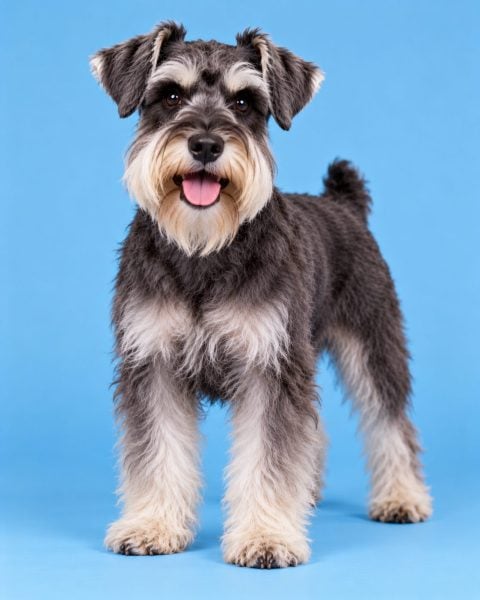
Miniature Schnauzer
Small · 11 to 20 lb · 12 to 15 yrs
The 10-question quiz asks about your home, your week and your patience, then points you to one breed to read about first.