French Bulldog
A small, funny city dog with real breathing limits

- Group
- Non-Sporting
- Size
- Small
- Weight
- 18 to 28 lb
- Height
- 11 to 13 in
- Lifespan
- 10 to 12 years
- Coat
- Short
- Origin
- France (from English toy bulldogs)
- Puppy price
- $3,000 to $6,000
- Monthly cost
- $150 to $350 a month
Prices are rough US ranges and vary a lot by region.
Good for
Watch out
The ten scores
higher is easier to live with higher means more work, noise or cost. All scores 1 to 5.
What living with a French Bulldog is like
Your French Bulldog will snore, snort and wheeze, and some of that noise is a warning sign. The flat face that makes the breed so cute also squeezes the nose, throat and windpipe. A large UK vet study found Frenchies had about 30 times the odds of airway syndrome compared with other dogs. Many need surgery to breathe well, and heat can turn dangerous fast.
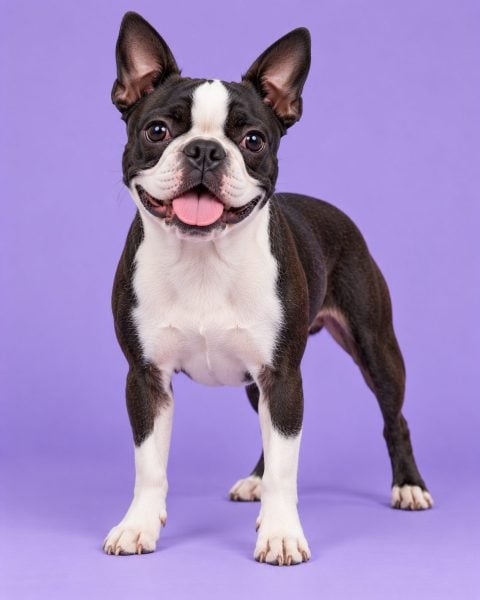
So why do so many city people pick one? A Frenchie is small, sturdy and funny. It rarely barks, does not need long runs, and fits in a studio flat. It makes friends easily and likes to follow you from room to room, then flop on your feet. Most get along with kids and other pets. They are clowns more than athletes, happy with a short walk and a long nap. The breed took shape in France in the 1800s from small bulldogs that English lace workers brought over, and the bat ears came with them.
Buying one means a budget for vet care. Puppies are often born by C-section, prices are high, and insurance tends to cost more than for many breeds. Look for a breeder who can show open nostrils and a breathing test, and walk away from anyone who sells an extreme flat face as a feature. A Frenchie also swims poorly, so pools and docks need a fence or a life jacket. With care and honest limits, many live happy lives in small homes.
Care basics
Exercise
Two or three short walks a day, plus play indoors, is plenty for most Frenchies. Skip runs and long hikes, and stay home in the heat of the day. Above about 75 F, or less when it is humid, keep walks short and shaded. Loud breathing, a purple tongue or collapse means stop, cool down and call your vet.
Grooming
The short coat needs a rub with a rubber brush once a week. The real work is in the folds: wipe the face wrinkles and the tail pocket clean and dry a few times a week. Clean the bat ears gently, as they catch dirt. Trim nails often, because Frenchies rarely walk far enough to wear them.
Training
Frenchies are clever but do things on their own schedule. Keep sessions to five minutes and use tiny treats. House training can be slow, so take the puppy out after meals, naps and play. Harsh corrections backfire and make a Frenchie dig in its heels.
Feeding
A small dog with low activity needs less than many feeding charts suggest, so start low and adjust. Extra weight makes breathing worse, which is a big deal here. Some Frenchies gulp air with their food and end up gassy, and a slow feeder bowl can help. Itchy skin may point to a food issue worth raising with your vet.
Health checks
Before buying, ask about breathing grades, spine x-rays and the parents' health. At home, listen to breathing during sleep and after play, and note any change. Check skin folds and ears weekly for redness or smell. Your vet can say whether nose or palate surgery would help.
Home setup
Apartments suit the breed well, as long as there is air conditioning. Stairs and jumping can be hard on the back, so carry small puppies and think about a ramp for the couch. Never leave a Frenchie in a parked car, even on a mild day. Keep pools fenced, since the breed sinks.
Health conditions common in the breed
| Condition | What to know |
|---|---|
| Brachycephalic obstructive airway syndrome (BOAS) | Narrow nostrils, a long soft palate and a small windpipe make breathing hard. Snoring, gagging and poor heat tolerance are common signs. |
| Spinal disc disease (IVDD) | The breed's build makes slipped discs more common. Sudden back pain, wobbling or dragging legs needs a vet the same day. |
| Skin fold infections and allergies | Moisture in the folds and allergies cause itchy, smelly skin and ear infections. These are among the most common reasons Frenchies see the vet. |
Not every French Bulldog will have these. Your vet can tell you what to screen for and when.
Common behaviour questions
Why does my Frenchie stop and refuse to walk halfway down the block?
Many Frenchies stop when they are hot, tired or just stubborn. Check the weather and breathing first, because a stop can mean real distress. If it is pure attitude, a treat and a change of direction usually get things moving.
Why is my French Bulldog so hard to house train?
A small bladder and a stubborn streak slow things down. Go out on a schedule, praise outside right away, and clean indoor spots with an enzyme cleaner so the smell does not draw the dog back.
Why does my Frenchie push in when I pet my other dog?
Frenchies can be clingy and demand attention. Reward calm waiting with a turn, and do not reward pushing. Some guard toys or people, so feed and hand out chews apart.
FAQ
Can a French Bulldog fly on a plane?
Many airlines ban flat-faced breeds from cargo because of breathing risks in heat and stress. Some allow small Frenchies in the cabin. Talk to your vet before any trip.
Why are Frenchie puppies so expensive?
Small litters, frequent C-sections and high demand push prices up. Very cheap puppies often come from poor breeding. Plan for ongoing vet costs too, not only the price of the puppy.
Is a Frenchie a noisy dog?
Most are fairly quiet and make more grunts than barks. They will tell you about the door now and then. Their snoring is a different story.
Not veterinary advice. Breed traits are averages and every dog is an individual. Talk to your vet about your own dog's health.
Sources
- ukcdogs.com /french-bulldog
- westminsterkennelclub.org /breed/french-bulldog/
- pmc.ncbi.nlm.nih.gov /articles/PMC8675495
Similar breeds to compare


The 10-question quiz asks about your home, your week and your patience, then points you to one breed to read about first.