Bulldog (English Bulldog)
A mellow couch companion with a heavy health bill
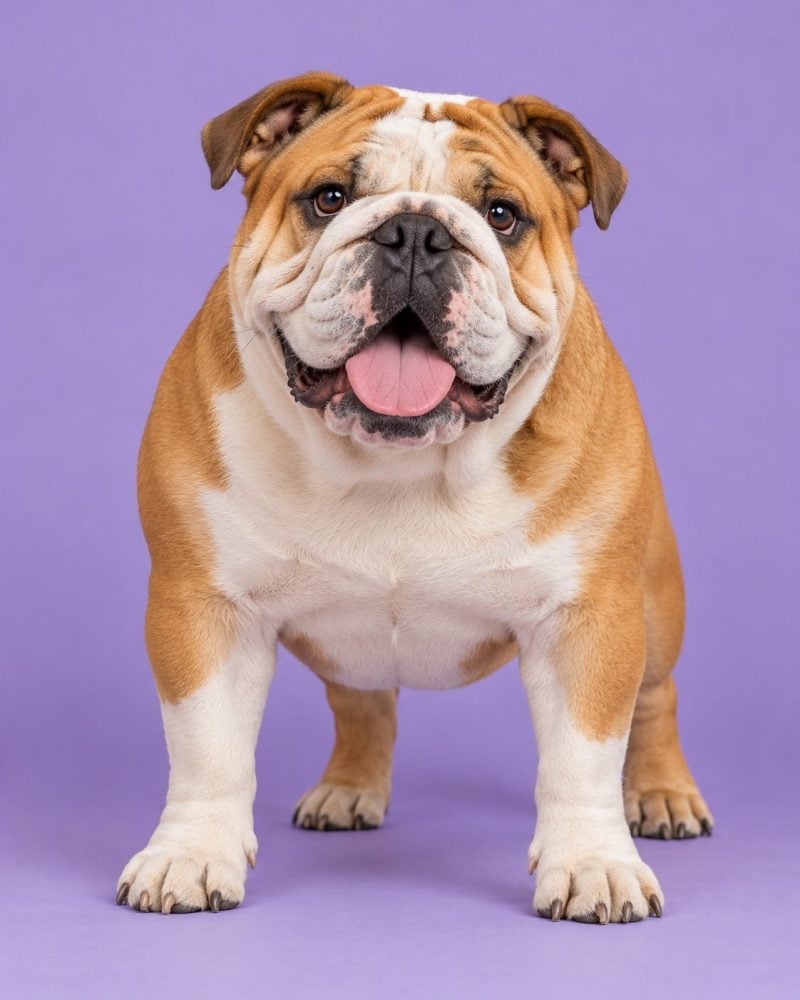
- Group
- Non-Sporting
- Size
- Medium
- Weight
- 40 to 50 lb
- Height
- 14 to 15 in
- Lifespan
- 8 to 10 years
- Coat
- Short
- Origin
- England
- Puppy price
- $2,500 to $5,000
- Monthly cost
- $150 to $350 a month
Prices are rough US ranges and vary a lot by region.
Good for
Watch out
The ten scores
higher is easier to live with higher means more work, noise or cost. All scores 1 to 5.
What living with a Bulldog (English Bulldog) is like
Let's get the cost out of the way. The Bulldog carries one of the heaviest health loads of any breed. A UK vet study found Bulldogs had far higher odds of skin fold infections, cherry eye and breathing trouble than other dogs. Most puppies are born by C-section. Expect vet bills. Expect careful summers too, because a Bulldog can overheat on a warm walk.
And yet people who own one tend to get another. A Bulldog is calm, steady and easygoing. It likes a short stroll, a long nap and a spot on the couch next to you. The breed came from English bull-baiting dogs centuries ago, but today's Bulldog was bred for a mild temper, and most are gentle with people. Many are patient with children who learn gentle hands, and they rarely bark. They look grumpy and act like big softies.
They do have opinions. A Bulldog that does not want to walk will plant itself and become very heavy. They snore, drool and pass gas, and their folds need cleaning most days. This breed suits a calm home, a cool city flat, or an older owner who wants a mellow dog. The budget just has to cover vet care. Pick a breeder who works on open nostrils and a moderate build, and ask to see the parents breathe after a short walk.
Care basics
Exercise
Short walks, two or three a day, are enough. Go early or late in summer, and stay in when it is hot or humid. A Bulldog needs some movement to keep weight down, but long hikes and running are not for this breed. Loud rasping means rest in the shade.
Grooming
The coat is easy, a quick brush once a week. The wrinkles are not. Clean and dry the face folds, the nose rope and the tail area daily or every other day, or they get sore and smelly. Wipe off drool and check between the toes, where yeast likes to grow.
Training
Bulldogs are slow to say yes, but they learn. Short sessions with food work best, and patience beats force. Teach walking on a harness rather than a collar to protect the airway. Many like routines, so the same cue at the same time of day sticks.
Feeding
Bulldogs eat fast and gain weight easily, and every extra pound makes breathing harder. A wide, shallow bowl or a slow feeder suits the short face. Food allergies show up in some dogs as itchy skin or ears. Talk to your vet before switching diets.
Health checks
Ask the breeder about breathing tests, plus hips, heart and skin. At home, check folds, eyes and ears often. Cherry eye looks like a red lump in the corner of the eye. Your vet can tell you what to screen for and whether airway surgery would help.
Home setup
Air conditioning is a must in warm places. Bulldogs do fine in flats and small houses and like a soft bed near you. Stairs and high couches are hard on them. Fence off pools, since Bulldogs cannot swim, and never leave one in a parked car.
Health conditions common in the breed
| Condition | What to know |
|---|---|
| Brachycephalic obstructive airway syndrome (BOAS) | Narrow nostrils and a long soft palate make breathing hard, most of all in heat or stress. Surgery helps some dogs. |
| Skin fold dermatitis | The deep wrinkles trap moisture and get infected. Regular cleaning keeps most cases in check. |
| Cherry eye | A gland in the third eyelid pops out as a red lump. A vet can usually put it back with surgery. |
Not every Bulldog (English Bulldog) will have these. Your vet can tell you what to screen for and when.
Common behaviour questions
Why does my Bulldog guard its food bowl?
Some Bulldogs grow possessive of food or toys. Feed in a quiet spot, drop something tasty in the bowl as you walk past, and never grab the bowl away. A trainer can help if growling starts.
Why does my Bulldog destroy toys in minutes?
Bulldogs have strong jaws and love to chew. Pick tough toys sized so they cannot be swallowed, and throw out broken bits. Rotate a few toys to keep interest up.
Why does my Bulldog get the zoomies and then gasp?
Short bursts of play are normal fun. The breed overheats fast, though, so end the game when breathing gets loud. Cool water and shade help, and a blue or gray tongue needs a vet.
FAQ
What is the difference between a Bulldog and an American Bulldog?
The Bulldog, also called the English Bulldog, is short, heavy and flat-faced. The American Bulldog is taller, longer in the face and far more athletic. They are separate breeds with different needs.
Do Bulldogs drool a lot?
Many do, mostly after drinking or eating, or in the heat. Keep a towel handy. It comes with the breed.
Is a Bulldog safe around a toddler?
Most are gentle and slow to anger. Their weight can knock a toddler down, and their breathing limits rough play. Teach small kids to give the dog space when it rests.
Not veterinary advice. Breed traits are averages and every dog is an individual. Talk to your vet about your own dog's health.
Sources
- westminsterkennelclub.org /breed/bulldog/
- vettimes.com /news/vets/small-animal-vets/research-lays-out-extent-of-english-bulldogs-health-issues
Similar breeds to compare
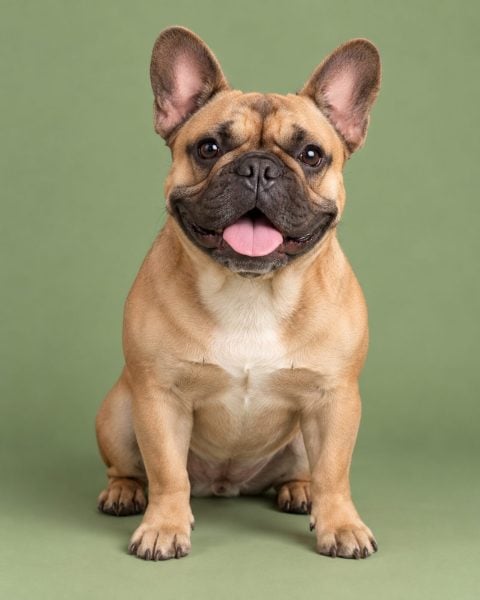

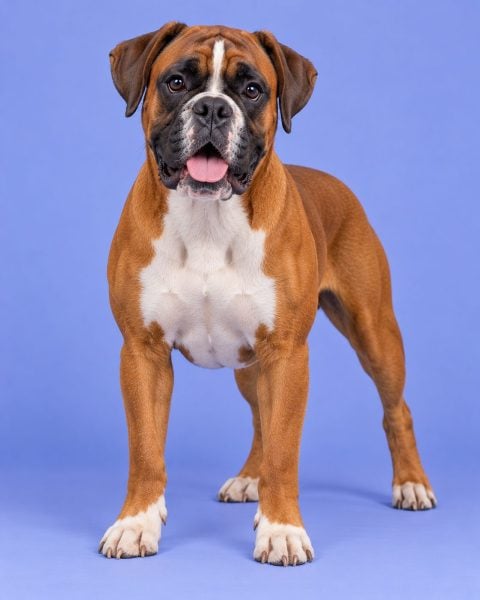
The 10-question quiz asks about your home, your week and your patience, then points you to one breed to read about first.