Shiba Inu
A clean, proud Japanese dog that listens when it feels like it
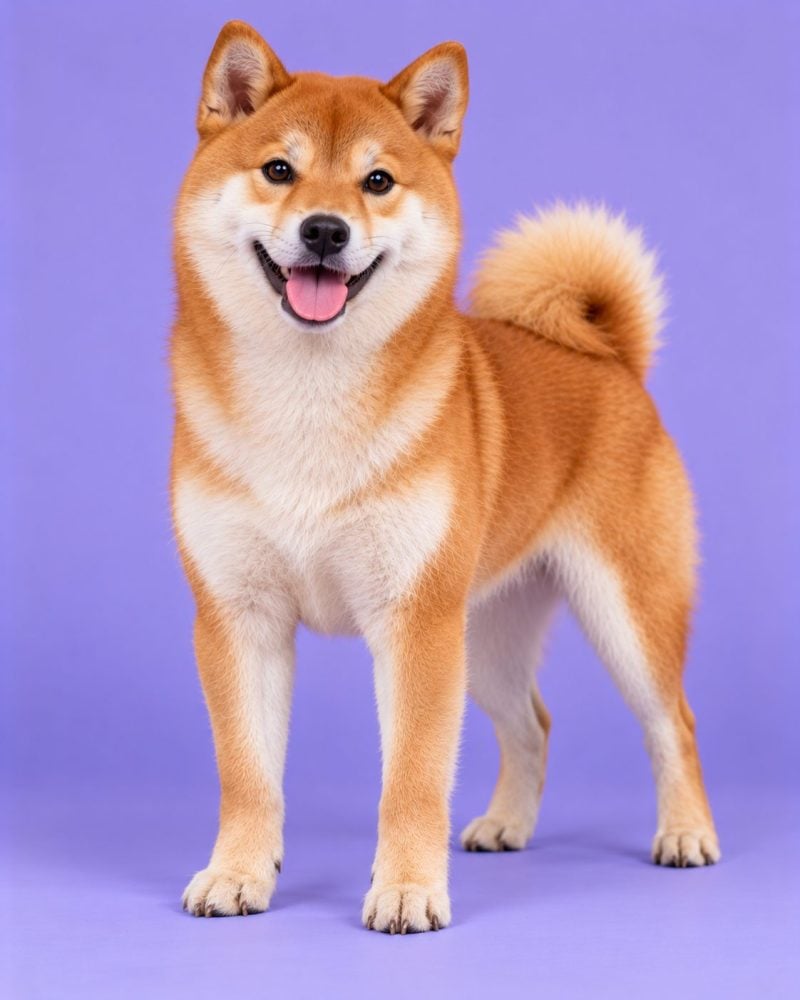
- Group
- Non-Sporting
- Size
- Small
- Weight
- 17 to 23 lb
- Height
- 13.5 to 16.5 in
- Lifespan
- 13 to 16 years
- Coat
- Short
- Origin
- Japan
- Puppy price
- $1,500 to $3,500
- Monthly cost
- $80 to $160 a month
Prices are rough US ranges and vary a lot by region.
Good for
Watch out
The ten scores
higher is easier to live with higher means more work, noise or cost. All scores 1 to 5.
What living with a Shiba Inu is like
A Shiba Inu will love you on its own terms. It may greet you at the door, then walk off to lie in another room. People call the breed cat-like, and that is fair: clean, private, picky about being held. This is the smallest of Japan's native breeds, first used to flush birds and rabbits, and it still thinks for itself. It keeps itself clean, steps around puddles, and often picks up house training early.
That independence is the big downside. Many Shibas will never be safe off leash, no matter how much recall work you put in. If something runs, they run after it. Training takes patience and good treats, because a Shiba does what you ask once it decides it was its own idea. Owners who want an eager helper usually end up frustrated.
For someone who enjoys a dog with a strong personality, a Shiba is good company. It is tidy, fairly quiet, and often copes with a workday better than more clingy breeds. It does shed in big drifts twice a year. Some Shibas guard toys and food, so homes with young kids or other pets need clear rules. And the famous Shiba scream is real, mostly saved for nail trims and other things it finds unfair. Expect a dog that watches the street from the window and picks its own moments for affection, often curling up next to you rather than on you.
Care basics
Exercise
About an hour a day, always on leash or in a secure fenced area. Shibas enjoy brisk walks with lots of sniffing, plus puzzle toys at home. Check fences for gaps and low spots. This breed is a capable escape artist and may dig under or climb over.
Grooming
Brush once a week most of the year. In spring and fall the undercoat comes out in clumps, and brushing twice a week or more keeps the house livable. Baths are rarely needed, maybe once or twice a year. Trim nails monthly and brush teeth often.
Training
Start early, keep sessions short, and use rewards the dog wants, not what you think it should want. Handling practice matters: touch paws, ears and mouth daily with treats so vet visits go better. Meet lots of calm people and dogs from puppyhood.
Feeding
Many Shibas are picky, and some guard their bowl. Feed in a quiet spot where nobody, including other pets, can crowd it. Pick up uneaten food after a set time instead of leaving it out. If your dog suddenly stops eating, call your vet rather than waiting.
Health checks
The breed club suggests hip, eye and knee checks for breeding dogs, which gives you good questions for any breeder. Itchy paws or ears can point to allergies. A red, cloudy or painful eye needs a vet that day. Your vet can tell you what to screen for.
Home setup
An apartment can work if you put in the walking. The thick coat handles cold well, but give shade and water on hot days. Secure balconies and doorways. Teach everyone in the house to close the door, because a loose Shiba may not come back on its own.
Health conditions common in the breed
| Condition | What to know |
|---|---|
| Allergies | Itchy skin, paws and ears are common in the breed. They can be managed, usually for life, with your vet's help. |
| Patellar luxation | One Japanese study found loose kneecaps in about a third of the Shibas it looked at. A skipping step is the classic sign. |
| Glaucoma | A painful rise in eye pressure that can cause blindness. Fast treatment matters, so treat a red, cloudy eye as urgent. |
Not every Shiba Inu will have these. Your vet can tell you what to screen for and when.
Common behaviour questions
Why does my Shiba scream when I trim its nails?
Shibas are known for loud protests during handling. Do one nail a day with lots of treats, and touch its feet often when no clippers are around. If it is badly frightened, ask your vet about help with handling.
My Shiba growls when I go near its toy. Is that normal?
Guarding things is common in the breed. Do not grab the toy. Trade it for a treat instead, and if growling turns into snapping, bring in a qualified trainer early.
Why does my Shiba bolt out the front door?
It is curious, fast and not built to stay near you. Teach a sit at the door before it opens and use a gate as backup. Keep ID tag and microchip details current.
FAQ
Can a Shiba share a house with small pets?
Rabbits, rodents and birds are risky because of the strong prey drive. Some live with a cat they grew up with, but it is not a sure thing.
Do Shibas bark a lot?
Not usually. They are fairly quiet day to day, but they can get very loud when upset.
How long do Shibas live?
They are one of the longer lived breeds. Studies in Japan and the UK found averages of around 14 to 15 years.
Not veterinary advice. Breed traits are averages and every dog is an individual. Talk to your vet about your own dog's health.
Sources
- en.wikipedia.org /wiki/Shiba_Inu
- chewy.com /education/dog-breeds/shiba-inu
Similar breeds to compare
The 10-question quiz asks about your home, your week and your patience, then points you to one breed to read about first.