10 Best Dogs for Apartments
The question landlords rarely ask is the one that matters most: how loud is your dog? A 60 lb dog that sleeps most of the day can live happily in a one-bedroom. A 10 lb dog that barks at every footstep in the hallway can get you a warning letter by the second week. Size, it turns out, is the smaller worry.
So this list looks past size. I weighed three things instead: noise, the exercise a breed needs to settle indoors, and how it copes with neighbors, stairs and elevators. Every dog here still needs daily walks. An apartment dog is not a dog that stays in. It is a dog that comes home tired and can rest quietly while you are both inside.
How we picked: I picked breeds with high apartment scores in our profiles, checked barking and exercise needs, and kept one bigger dog on purpose.
-
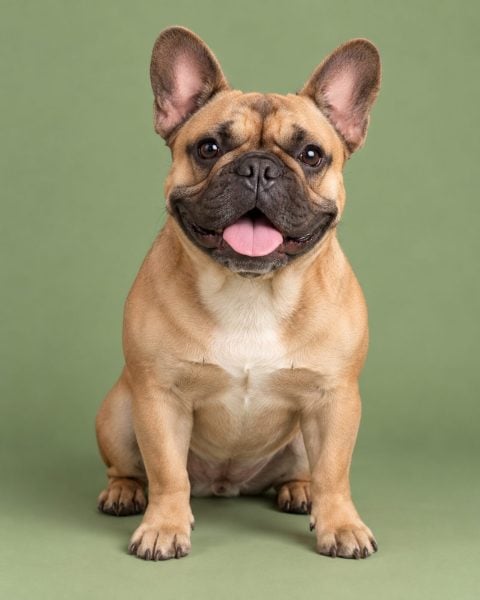
1French Bulldog
Small · 18 to 28 lb · 10 to 12 yrs
ApartmentsLow energyBreathing problemsFrenchies rarely bark without a reason, and two or three short walks cover most days, which suits elevator life well. The catch is heat. A flat face means a stuffy top-floor unit in July can be dangerous. You need air conditioning, since a fan will not be enough, and walks at dawn or after dark.
Full French Bulldog profile → -
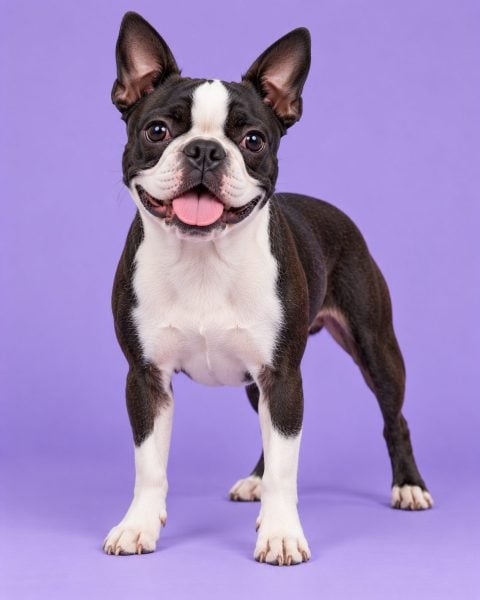
2Boston Terrier
Small · 12 to 25 lb · 11 to 13 yrs
ApartmentsMedium energyEye injuries and cataractsA Boston fits under a cafe table and greets the doorman like an old friend. It needs up to an hour a day, split into walks and quick games of fetch in the hallway. Its big, round eyes are easy to scratch, so watch it around rose bushes, cats and rough play.
Full Boston Terrier profile → -
3Bulldog (English Bulldog)
Medium · 40 to 50 lb · 8 to 10 yrs
ApartmentsCouch-level energySkin fold infectionsIf your building has thin walls, the Bulldog is about as quiet as dogs get. It naps for long stretches and is happy with short strolls. Know this first, though. Stairs are hard work for a 50 lb dog on short legs, and a fourth-floor walk-up gets old fast for you both.
Full Bulldog (English Bulldog) profile → -
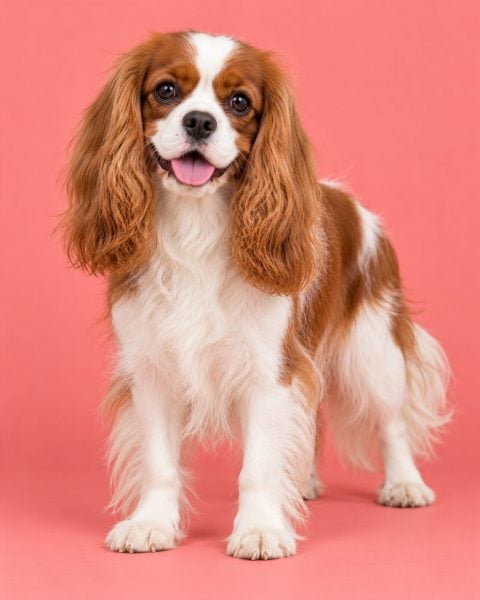
4Cavalier King Charles Spaniel
Small · 13 to 18 lb · 12 to 15 yrs
First-time ownersMedium energyEarly heart valve diseaseCavaliers tend to be quiet, polite in shared hallways and happy with two walks of 20 to 30 minutes. They also love people, which is the problem. Many get anxious when left, and a dog crying behind the door all afternoon is the fastest way to meet your neighbors. Start alone-time practice early.
Full Cavalier King Charles Spaniel profile → -
5Shih Tzu
Toy · 9 to 16 lb · 10 to 18 yrs
ApartmentsLow energyHeat and breathing limitsBred for palace life, the Shih Tzu asks for little space and only short walks. It is friendly with other dogs on the elevator and seldom noisy. Budget for the coat, which needs brushing most days or a short clip from a groomer, and keep it inside on hot afternoons because of the short nose.
Full Shih Tzu profile → -
6Havanese
Small · 7 to 13 lb · 14 to 16 yrs
First-time ownersMedium energyCoat tangles fastA Havanese would rather play chase across your living room rug than march five miles, so half an hour outside plus games indoors works. It weighs 7 to 13 lb and gets along with most pets. Expect some alert barking at the door, and do not expect it to enjoy long days on its own.
Full Havanese profile → -
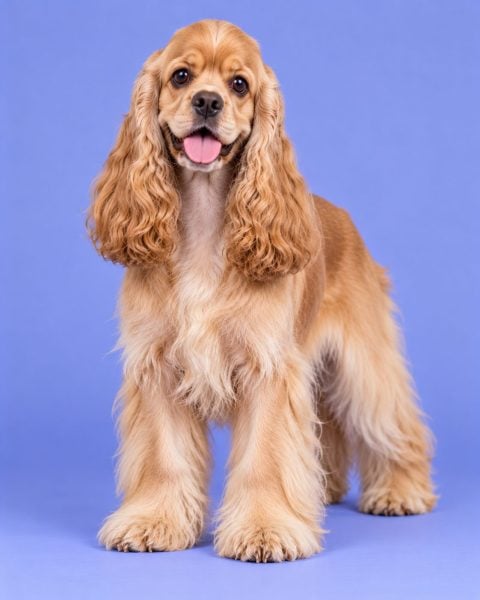
7American Cocker Spaniel
Medium · 20 to 30 lb · 10 to 14 yrs
Families with kidsMedium energyHigh grooming needsThe American Cocker is a medium dog that behaves like a small one indoors, happy with 45 minutes to an hour of walks and play. It may bark at hallway noise if it gets bored. The bigger cost is the coat. Plan on regular trips to a groomer and careful ear drying after rainy walks.
Full American Cocker Spaniel profile → -
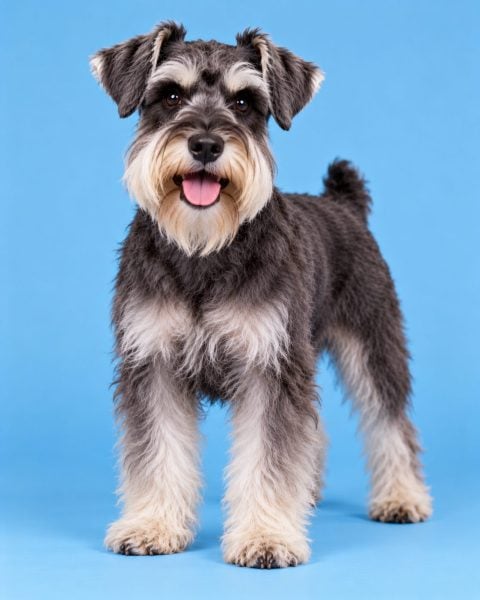
8Miniature Schnauzer
Small · 11 to 20 lb · 12 to 15 yrs
Families with kidsMedium energyBarks at everything outsideSmall, sturdy and clean, the Mini Schnauzer handles a compact home well and loves a short training drill between walks. Be honest with yourself about the noise. This breed barks at the mail carrier, the dog next door and the leaf that moved. Teach a quiet cue early, or pick a unit away from the street.
Full Miniature Schnauzer profile → -
9Cavapoo
Small · 8 to 25 lb · 12 to 15 yrs
First-time ownersMedium energyHeart disease from the Cavalier sideMost Cavapoos are gentle and content with a sniffy walk or two each day, which makes them easy to live with in a flat. Size ranges from 8 to 25 lb, so ask about the parents. Like the Cavalier, many fret when left alone, and that can turn into whining your neighbors will hear.
Full Cavapoo profile → -
10Standard Poodle
Large · 40 to 70 lb · 10 to 18 yrs
Active peopleHigh energyCostly grooming every 4-6 weeksThis is the big dog on the list, and it is here on purpose. A Standard Poodle weighs 40 to 70 lb but moves through a home with care and is usually calm indoors. It needs at least an hour of real exercise, so this only works if you get it out every day, rain or not.
Full Standard Poodle profile →





Before you sign a lease, check the pet rules in writing. Weight limits, breed lists and extra deposits vary by building. Then take a hard look at your week. A dog in a small space is fine when it gets out enough and learns to settle. Most noise complaints start with a bored dog, not a big one, and that part is in your hands.
FAQ
Can a large dog live in an apartment?
Yes, if it gets enough exercise and is calm indoors. Many big, low-energy dogs do better in a flat than a small dog that barks a lot. Check your building's weight limits first, since many leases cap pet size.
How do I stop my dog from barking at hallway noise?
Start with enough walks and things to chew, since boredom makes barking worse. A white noise machine near the door can mask footsteps. A qualified trainer can show you how to teach a quiet cue.
Is a balcony enough for potty breaks?
Not on its own. A dog still needs walks for exercise and sniffing, and a balcony can get very hot or very cold. Some owners keep a grass pad out there for late nights only.
Breed information is general and every dog is an individual. Not veterinary advice.