10 Low-Shedding Dogs
Start with the big myth. No dog is hypoallergenic. Allergies come from proteins in skin flakes, saliva and urine, and every dog makes them. A dog that sheds less may leave less of that on your sofa, and some allergic people cope better with these breeds. Some do not. Spend time with a dog before you buy, and talk to your doctor if your allergies are severe.
The second thing nobody mentions is that low shedding usually means high grooming. Hair that does not fall out keeps growing. A Poodle or Maltese coat needs brushing and a trim every few weeks, and that bill adds up over a dog's life. If you want low shedding and low upkeep, the short-coated picks near the end may suit you better.
How we picked: Every breed here scores 1 or 2 for shedding in our profiles, and each entry notes the grooming it needs.
-
1Standard Poodle
Large · 40 to 70 lb · 10 to 18 yrs
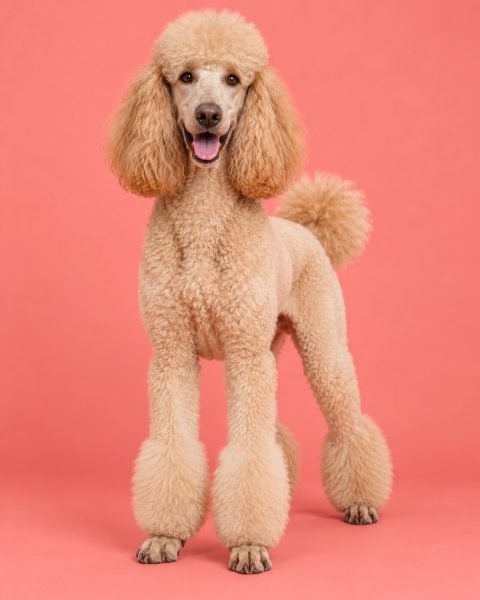
Active peopleHigh energyCostly grooming every 4-6 weeksThe Poodle's tight curls trap loose hair, so you see very little on the floor. That is the good news. The coat keeps growing, and it needs a full groom every four to six weeks plus brushing at home. Skip it and you get mats down to the skin. Price the groomer before the puppy.
Full Standard Poodle profile → -
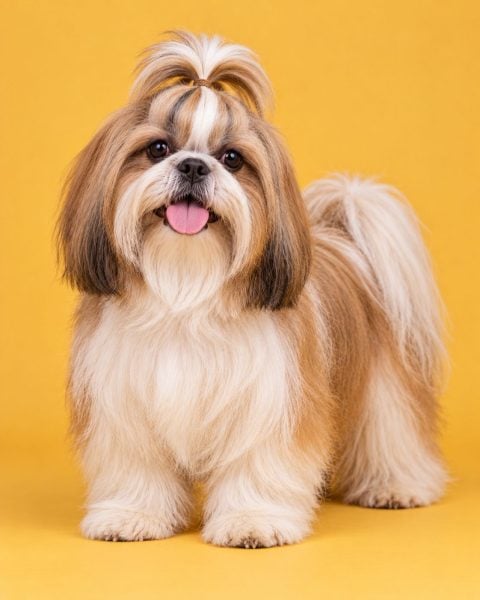
2Shih Tzu
Toy · 9 to 16 lb · 10 to 18 yrs
ApartmentsLow energyHeat and breathing limitsA Shih Tzu drops very little hair, but its long coat tangles if you skip a weekend of brushing. Most owners choose a short puppy clip and a groomer visit every month or two. Daily brushing is the price of the long look. Keep hair out of its eyes, too, since dry eye is common in the breed.
Full Shih Tzu profile → -
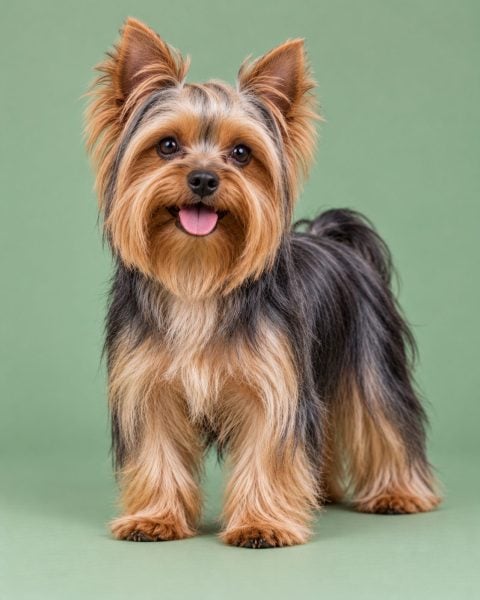
3Yorkshire Terrier
Toy · 4 to 7 lb · 11 to 15 yrs
ApartmentsMedium energyFragile with rough playYorkie hair is fine and silky, with no thick undercoat, so shedding is light. It still needs brushing a few times a week, or a short trim to keep it easy. Handle the small body with care, and keep up with tooth brushing, since dental disease is common in the breed.
Full Yorkshire Terrier profile → -
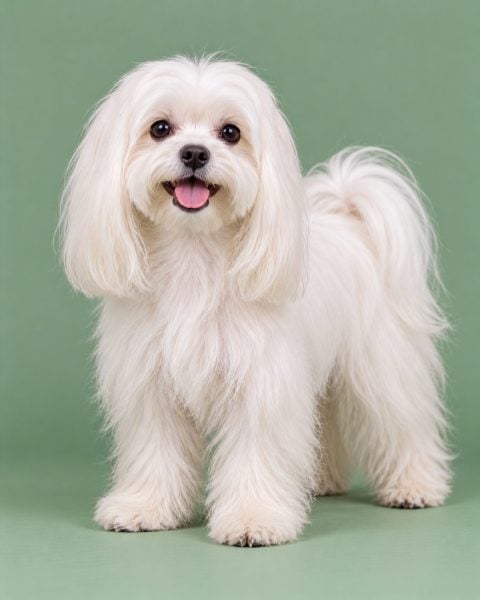
4Maltese
Toy · 4 to 7 lb · 12 to 15 yrs
ApartmentsLow energyStruggles when left aloneThe Maltese coat is a single layer of white hair that sheds very little. White shows everything, though: tear stains, food and mud. You will comb it daily or keep it in a short clip. The bigger issue for some homes is that this breed struggles when left alone for long.
Full Maltese profile → -
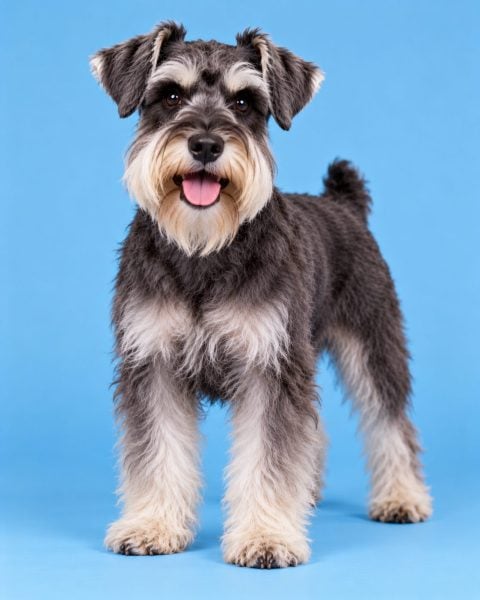
5Miniature Schnauzer
Small · 11 to 20 lb · 12 to 15 yrs
Families with kidsMedium energyBarks at everything outsideThat wiry coat holds onto loose hair, so you find little on your clothes. To keep it neat, plan on a trim every six to eight weeks, clipped or hand stripped. The beard needs a wipe after meals. Note the barking too, since Schnauzers comment on everything outside.
Full Miniature Schnauzer profile → -
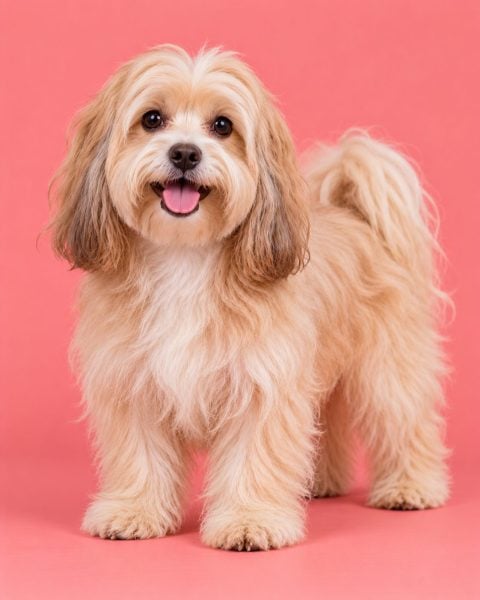
6Havanese
Small · 7 to 13 lb · 14 to 16 yrs
First-time ownersMedium energyCoat tangles fastA Havanese sheds lightly and fits in a small home, which helps if your space and your nose are both limited. The silky coat tangles fast, so brush it several times a week or keep it short. Loose kneecaps are common in the breed, so ask your vet to check its knees.
Full Havanese profile → -
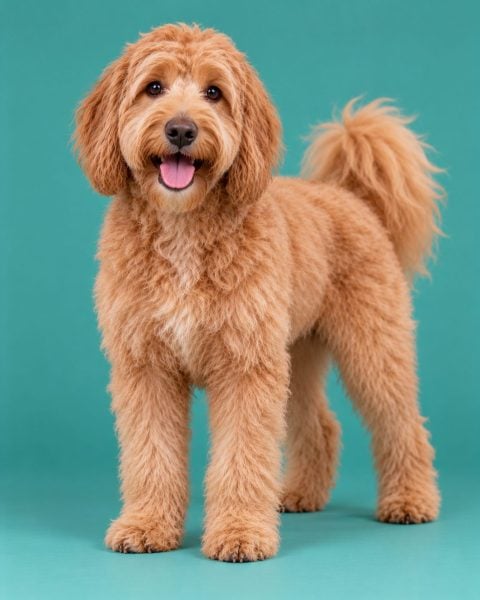
7Goldendoodle
Medium · 15 to 80 lb · 10 to 15 yrs
Families with kidsHigh energyCoat needs pro groomingMany families pick a Doodle for a lower-shedding coat, but coats vary a lot, even within one litter. Some shed like a Golden. Ask the breeder to show you adult dogs from earlier litters. Curly coats need a pro groom every few weeks, and that cost lasts the dog's whole life.
Full Goldendoodle profile → -
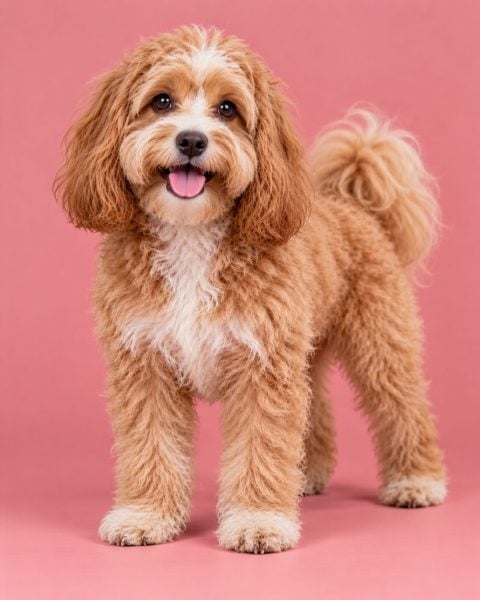
8Cavapoo
Small · 8 to 25 lb · 12 to 15 yrs
First-time ownersMedium energyHeart disease from the Cavalier sideCavapoos usually shed less than a Cavalier and come in a smaller, gentler package than most Doodles. Coat type ranges from wavy to tight curls, so shedding varies too. Plan regular brushing and trims. Health matters here as well: heart disease from the Cavalier side is worth asking the breeder about.
Full Cavapoo profile → -
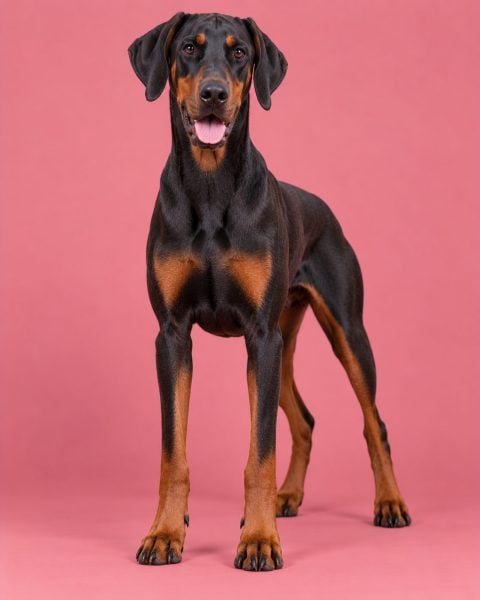
9Doberman Pinscher
Large · 60 to 100 lb · 10 to 12 yrs
Active peopleVery high energyHeart disease riskNot every low-shedding dog is fluffy. A Doberman's short, close coat drops only a little hair and needs a weekly brush and little else. It is the cheapest coat on this list to keep. The rest of the dog is not low effort, though. It needs one to two hours of activity and daily training.
Full Doberman Pinscher profile → -
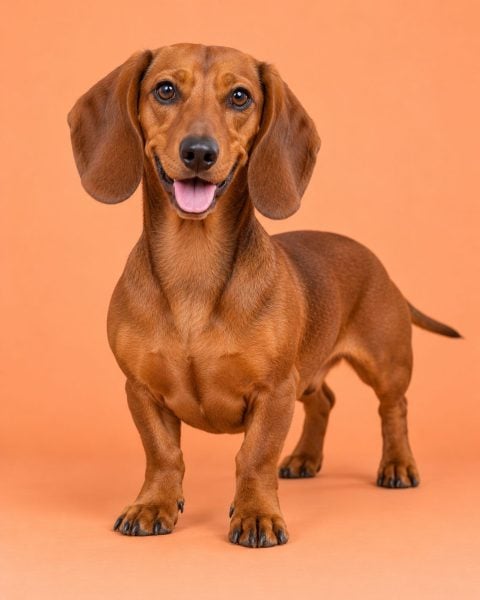
10Dachshund
Small · 11 to 32 lb · 12 to 16 yrs
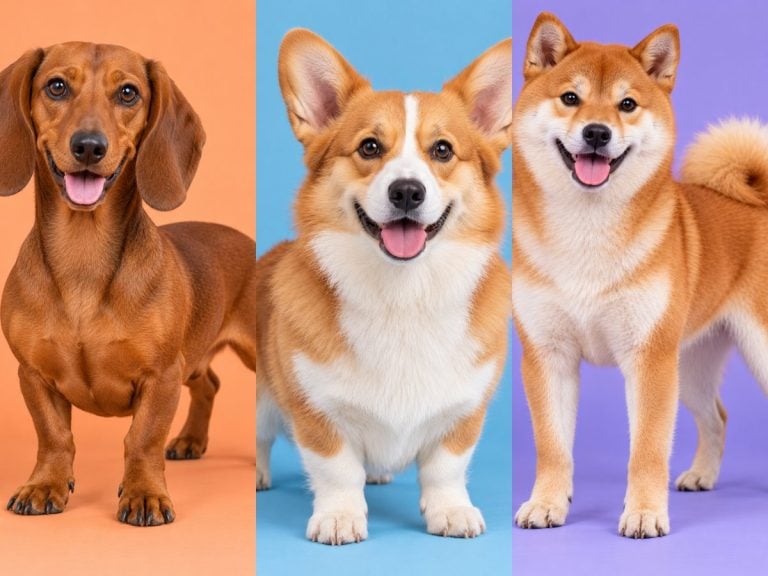
ApartmentsMedium energyBack injury riskSmooth Dachshunds shed lightly and need little more than a rub with a cloth or a soft brush. Long and wire coat types need more care. The real cost with this breed is its back. Keep it lean, use ramps where you can and ask your vet about disc problems.
Full Dachshund profile →
If allergies drive your choice, test before you commit. Visit the breed, pet it, and see how you feel the next day. Keep the dog out of the bedroom, wash its bedding often and run an air purifier if it helps. Coat type changes how much hair you vacuum. It does not decide whether you react.
FAQ
Are hypoallergenic dogs real?
No dog is allergy-proof. All dogs make the proteins that cause reactions, in their skin, saliva and urine. Some allergic people react less to certain dogs, so the only real test is time with that dog.
Which low-shedding breed is cheapest to groom?
Short, close coats like the Doberman's or a smooth Dachshund's need only a weekly brush. Curly and long coats that shed little usually need a groomer every four to eight weeks. Over a lifetime, that gap can run into thousands of dollars.
Does a low-shedding dog smell less?
Not always. Smell has more to do with skin, ears, teeth and how often the dog is bathed. Long coats can hold dirt and odor if they are not brushed.
Breed information is general and every dog is an individual. Not veterinary advice.