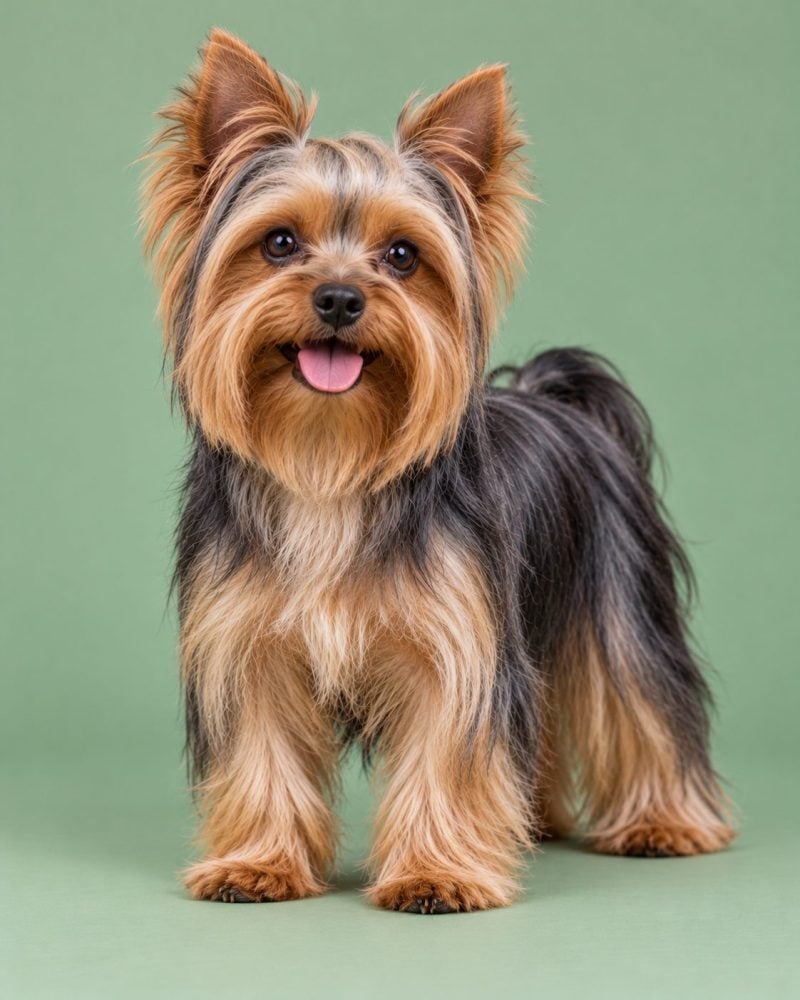
Yorkshire Terrier
A tiny terrier with a silky coat and a guard dog attitude
- Group
- Toy
- Size
- Toy
- Weight
- 4 to 7 lb
- Height
- 7 to 8 in
- Lifespan
- 11 to 15 years
- Coat
- Long
- Origin
- England
- Puppy price
- $1,200 to $3,500
- Monthly cost
- $100 to $200 a month
Prices are rough US ranges and vary a lot by region.
Good for
Watch out
The ten scores
higher is easier to live with higher means more work, noise or cost. All scores 1 to 5.
What living with a Yorkshire Terrier is like
Seven pounds of terrier. That is the AKC weight for a Yorkie, and the dog inside does not know it. The breed came from the mill towns of Yorkshire in England, where it was used to catch rats. That history explains the bold, bossy streak. Yorkies bark at strangers, noises and other dogs, often with surprising force. Many will take on a dog ten times their size without a second thought, so keep a close eye at the dog park.
Size is the biggest risk. A fall from arms or a high couch can hurt a dog this small. Homes with toddlers often find the match hard. Big dogs in the house need to be gentle, too. Dental disease is common in the breed, so tooth brushing is part of the deal. Long coats need daily brushing too, and grooming and dental bills vary by region.
For an adult or a calm family, a Yorkie is a fun, loving companion. It fits in a flat and still enjoys a real walk. It sheds very little. Training goes best with short, upbeat lessons, as Yorkies can be willful. Many owners keep the coat in a short puppy cut, which makes life much easier. Yorkies often bond tightly with one person and want in on everything that person does. It suits someone who wants a small dog with a big character.
Care basics
Exercise
A Yorkie is busier than many toy breeds. Two short walks plus indoor games of chase keep it content. It likes to explore and sniff. Watch for cold weather, since the fine coat does not keep it warm. A sweater helps on chilly days. Indoor fetch down a hallway works on rainy days.
Grooming
A full-length coat needs daily brushing to prevent tangles. A short puppy cut needs brushing about once a week, plus a trim every six to eight weeks. Keep the hair out of the eyes with a topknot or trim. Check ears each week.
Training
Yorkies are bright but not always food driven, so try praise and play as rewards too. Short lessons work best. Start socializing early to curb the barking. Teach a quiet cue, and praise every calm moment at the window. Keep lessons to five minutes or so.
Feeding
Tiny dogs need small meals spread out. PetMD advises three to four meals a day for puppies to keep blood sugar steady, and two to three for adults. Pick small kibble that fits a tiny mouth. Keep treats under a tenth of daily calories.
Health checks
Brush the teeth daily if you can, and ask your vet about professional cleanings. Watch for a honking cough, which can mean a weak windpipe. A skipping step can point to a kneecap problem. Weakness or trembling in a puppy may mean low blood sugar and needs a vet fast.
Home setup
Use a harness rather than a collar to protect the windpipe. Keep the dog off high furniture, or add steps. Teach kids to sit on the floor to hold the dog. A cozy bed in a warm spot and a few puzzle toys round out a happy setup. A puppy pen gives it a safe base when you are busy.
Health conditions common in the breed
| Condition | What to know |
|---|---|
| Dental disease | Toy breeds build up tartar and gum disease early. Daily brushing and regular cleanings help keep the teeth. |
| Tracheal collapse | The windpipe rings weaken and flatten, causing a dry, honking cough. Keeping weight down and using a harness help. |
| Liver shunt | Blood bypasses the liver, so toxins build up. Your vet can tell you what to screen for if a puppy grows poorly or acts odd after meals. |
Not every Yorkshire Terrier will have these. Your vet can tell you what to screen for and when.
Common behaviour questions
Why does my Yorkie bark at every dog on the walk?
Small terriers often bark to keep bigger dogs at a distance. Cross the street to add space, and reward calm looks. Close the gap slowly over weeks. A treat pouch and patience make a big difference.
Why does my Yorkie shake so much?
Small dogs lose heat fast, and excitement or fear can also cause trembling. A sweater and calm handling help. Shaking with weakness needs a vet. Check for cold rooms or drafty floors too.
Why does my Yorkie snap when picked up?
Being swooped up can scare a tiny dog. Say a cue word first, scoop from below and reward. Let it come to you when possible. Kids should never chase it to pick it up.
FAQ
Do Yorkies shed?
Very little. Their hair is fine and grows long, much like human hair. People with allergies can still react to any dog, though.
What is a teacup Yorkie?
It is a sales term, not a size in the breed standard. Very tiny dogs may face more health problems. Ask any breeder for health records.
Why do Yorkie puppies change color?
Most are born black and tan. The coat slowly shifts to the adult blue and tan as the dog matures. Some keep darker patches for a while.
Not veterinary advice. Breed traits are averages and every dog is an individual. Talk to your vet about your own dog's health.
Sources
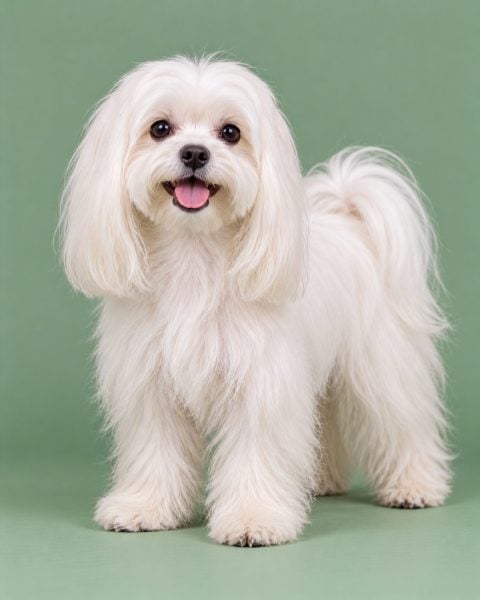
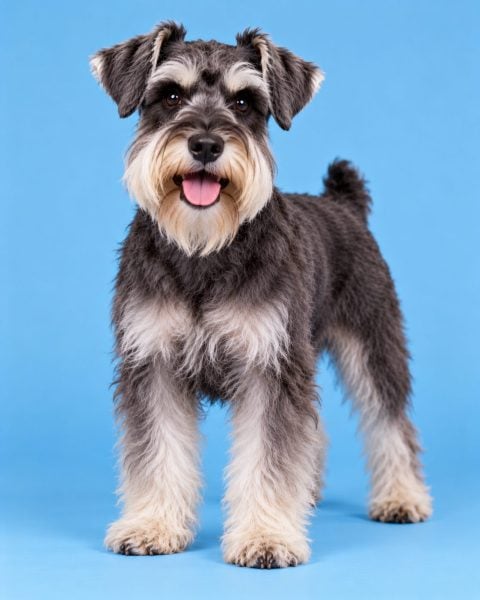
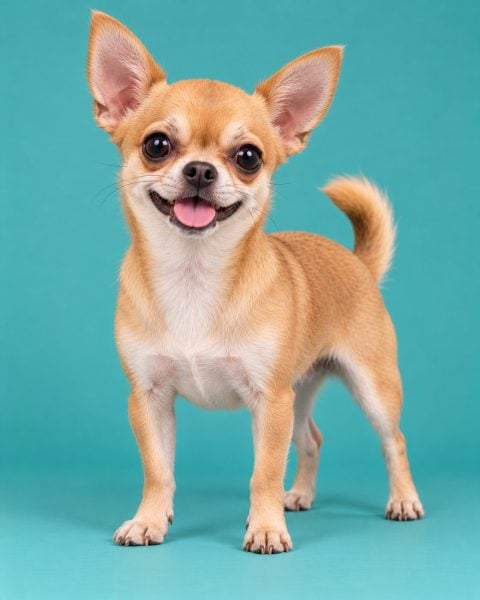
Similar breeds to compare
The 10-question quiz asks about your home, your week and your patience, then points you to one breed to read about first.