Chihuahua
The smallest dog around, with the loudest opinion in the room
- Group
- Toy
- Size
- Toy
- Weight
- 2 to 6 lb
- Height
- 5 to 8 in
- Lifespan
- 12 to 16 years
- Coat
- Short
- Origin
- Mexico
- Puppy price
- $800 to $3,000
- Monthly cost
- $60 to $130 a month
Prices are rough US ranges and vary a lot by region.
Good for
Watch out
The ten scores
higher is easier to live with higher means more work, noise or cost. All scores 1 to 5.
What living with a Chihuahua is like
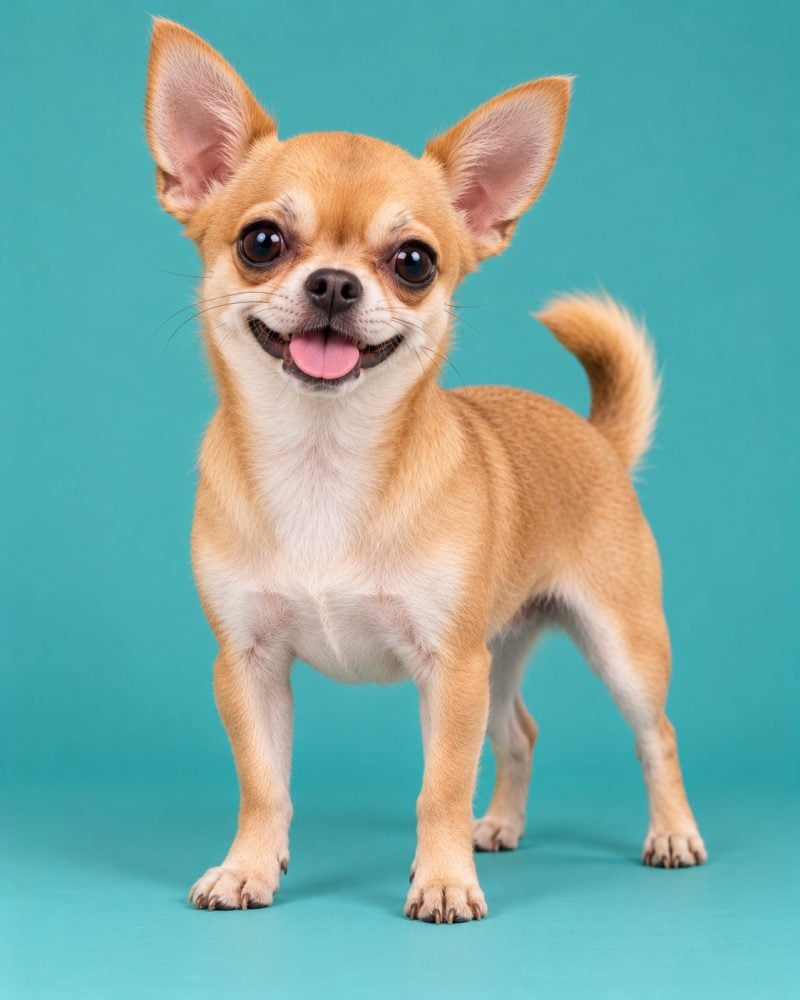
A Chihuahua weighs about as much as a bag of sugar and acts like it owns the block. It picks one or two people, sticks to them and tells everyone else to stay back. That loyalty is lovely if you are the chosen person. It is less fun for your friends, who may get barked at for the whole visit.
Barking is the main thing to know going in. Many Chihuahuas bark at the door, at noises in the hall and at people they have just met, often because they feel small and unsure. Early, gentle meetings with lots of people and dogs help a lot. So does treating it like a real dog, with rules and training, instead of carrying it everywhere. Size is the other risk. A puppy can be hurt by a fall from the sofa or by a toddler who squeezes too hard. That makes it a poor match for a home with very young kids.
The upside is a dog that fits almost anywhere and costs little to feed. A Chihuahua is happy in a studio flat, travels well and often lives a long time, with breed clubs quoting 14 to 16 years and some studies finding closer to 12. It comes in a smooth or a long coat, and both are easy to keep. It feels the cold, so plan on a sweater in winter.
Care basics
Exercise
Short daily walks plus indoor play are enough for most Chihuahuas, though many have more energy than people expect. Toss a soft toy down the hall or hide treats for a small sniff hunt. Watch out for bigger dogs at the park, and use a harness, not a collar, to protect the windpipe.
Grooming
Smooth coats need a soft brush once a week. Long coats need it two or three times a week, with extra care behind the ears where knots form. Brush the teeth often, since small mouths crowd teeth together. Nails grow fast on light dogs that do not wear them down.
Training
Chihuahuas are smart but strong willed, and house training is often the slowest part. Take your puppy out often and reward right away. Do not let small size excuse bad habits like nipping or lunging. Treat based training and early meetings with friendly people make a calmer adult.
Feeding
A Chihuahua's daily food fits in a small cup, so a few extra treats are a big share of it. Count them. Young or very small puppies can get low blood sugar if they skip meals, so feed little and often at first and ask your vet how often. Small kibble is easier for tiny mouths.
Health checks
Your vet can check the knees, heart, teeth and the soft spot on the skull at visits. Many Chihuahuas keep baby teeth that need removing. A honking cough can point to a weak windpipe. Your vet can tell you what to screen for as your dog ages.
Home setup
Put ramps or steps by the bed and sofa, since jumps down can injure tiny legs. Keep a close eye on doors so your dog does not slip out. A soft bed in a warm spot and a coat for winter walks make a big difference.
Health conditions common in the breed
| Condition | What to know |
|---|---|
| Luxating patella | The kneecap slips out of place, causing a skip in the step. It is common in small breeds and ranges from mild to needing surgery. |
| Dental disease | Crowded teeth and retained baby teeth trap food and tartar. Regular brushing and dental checks help. |
| Collapsing trachea | The windpipe can weaken and flatten, causing a goose honk cough. A harness keeps pressure off the throat. |
Not every Chihuahua will have these. Your vet can tell you what to screen for and when.
Common behaviour questions
Why does my Chihuahua shake so much?
Shaking can mean cold, fear or excitement, and tiny dogs lose heat quickly. Check that it is warm and notice what set it off. If it shakes often for no clear reason, ask your vet.
My Chihuahua snaps when strangers reach for it. What should I do?
A hand coming from above looks big and scary to a small dog. Ask guests to ignore it and toss a treat on the floor instead. Let it choose to come closer, and never force a pickup.
Why will my Chihuahua not pee outside when it rains?
Many tiny dogs hate wet, cold grass. Try a covered spot, a coat and a big reward the moment it goes. Some owners also use an indoor potty spot, but stay consistent with whichever you pick.
FAQ
What is the difference between apple head and deer head Chihuahuas?
Apple heads have a round skull and short muzzle, which the breed standard asks for. Deer heads have a longer face. Both are Chihuahuas, and it is a matter of looks.
Is a Chihuahua good with children?
It can be with older, gentle kids who sit on the floor to hold it. With toddlers, the risk of injury to the dog is high, so close supervision is a must.
Do Chihuahuas need a coat?
Most benefit from one on cold days. They have little body mass to hold heat, so a sweater is a practical need rather than a fashion choice.
Not veterinary advice. Breed traits are averages and every dog is an individual. Talk to your vet about your own dog's health.
Sources
- petmd.com /dog/breeds/chihuahua
- scienceforanimalwelfare.org /species/dogs/chihuahua/
Similar breeds to compare
The 10-question quiz asks about your home, your week and your patience, then points you to one breed to read about first.