Doberman Pinscher
A fast, clever, deeply loyal dog that needs a job and a person
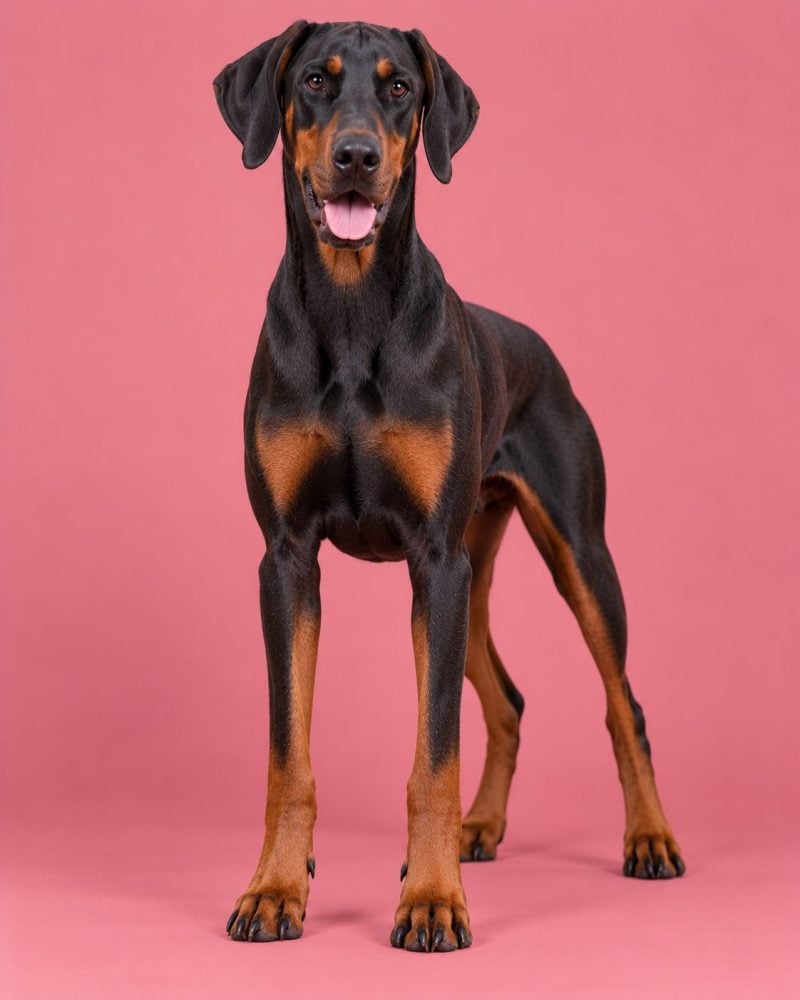
- Group
- Working
- Size
- Large
- Weight
- 60 to 100 lb
- Height
- 24 to 28 in
- Lifespan
- 10 to 12 years
- Coat
- Short
- Origin
- Germany
- Puppy price
- $1,500 to $3,500
- Monthly cost
- $170 to $320 a month
Prices are rough US ranges and vary a lot by region.
Good for
Watch out
The ten scores
higher is easier to live with higher means more work, noise or cost. All scores 1 to 5.
What living with a Doberman Pinscher is like
People tend to see a guard dog. Owners tend to describe a shadow. A Doberman is often called a velcro dog, because it wants to be in the same room as its person at all times, and ideally touching. It is quick, strong and very bright, and it learns things in a few tries that other breeds take weeks to get.
That brain needs work. A bored Doberman will find its own projects, and you may not like them. Plan on real exercise every day plus training or a sport. Heart disease is the other serious concern. Dilated cardiomyopathy is a leading cause of death in the breed and is often silent until late. Many owners screen their dogs every year from early adulthood. The breed also carries a bleeding disorder that vets like to test for before surgery.
Bred in Germany in the late 1800s by a tax collector who wanted a protective dog, the Doberman still watches its home closely. It can be wary of strangers, so early socialization matters. With its own family it is usually soft and gentle, though young dogs play rough enough to topple small kids. It suits someone who wants a training partner and is home enough to be one. A Doberman that gets its daily work and company is often calm and quiet in the house, curled up on the sofa by evening. One left alone with nothing to do tends to show it.
Care basics
Exercise
Expect one to two hours a day of real activity, such as brisk walks, running, fetch or a sport like obedience, tracking or agility. Mental work counts too, so add scent games and puzzle toys. The thin coat gives little warmth, so a jacket helps in cold weather.
Grooming
A Doberman coat is short and smooth but still sheds a moderate amount. A quick rub with a grooming mitt a few times a week keeps it glossy. Bathe only when dirty. Trim nails often, since long nails on a fast dog can split.
Training
This breed shines with clear, reward based training and lots of it. Harsh methods tend to backfire with such a sensitive dog. Socialize widely in the first year so new people and places feel normal. Teach a calm settle too, since a Doberman can be keyed up indoors.
Feeding
An active Doberman can burn a lot, but a lazy week burns far less, so adjust portions to the week you had. Split food into two meals and rest after eating, as deep-chested dogs can get bloat. Ask your vet about diet choices, since the link between some grain-free diets and heart disease is still being studied.
Health checks
Ask your vet about yearly heart screening, which often means an ultrasound of the heart and a 24 hour heart monitor. A blood test for von Willebrand disease before any surgery is common. Thyroid checks are worth asking about as well. Your vet can tell you what to screen for and from what age.
Home setup
A house with a secure, fenced yard suits a Doberman best, though a flat can work with a big daily effort. It should live indoors with the family, not in a kennel. It needs warm bedding and company, because long days alone are hard on it.
Health conditions common in the breed
| Condition | What to know |
|---|---|
| Dilated cardiomyopathy | The heart muscle weakens and the heart enlarges, often with no signs early. Regular screening can catch it sooner. |
| Von Willebrand disease | An inherited clotting problem that can cause heavy bleeding after injury or surgery. A simple test tells you your dog's status. |
| Wobbler syndrome | Malformed neck bones press on the spinal cord, leading to a wobbly gait and neck pain. It is well known in the breed. |
Not every Doberman Pinscher will have these. Your vet can tell you what to screen for and when.
Common behaviour questions
Why does my Doberman follow me to the bathroom?
That is classic velcro behavior, and in itself it is fine. To build some independence, reward it for lying on a bed while you move around the house. Short practice absences help prevent stress when you leave.
My Doberman barks and lunges at strangers on walks. What now?
It may be guarding or nervous, and both get worse with punishment. Increase distance, reward calm looks and work with a qualified trainer. Muzzle training can add safety while you work on it.
Why does my young Doberman mouth my arms in play?
Young Dobermans play with their mouths and can get rough. Swap your arm for a tug toy and pause the game for a moment when teeth hit skin. Most grow out of it with steady practice.
FAQ
Do Dobermans need their ears cropped?
No. Cropping is a cosmetic choice and is banned in many countries. Natural ears hang down and do not affect health or work.
Is a Doberman a good first dog?
Usually not. It needs a lot of training, exercise and early socialization, which is easier for someone who has raised a dog before.
Are Dobermans good family dogs?
Many are loving with their own families. They need training and supervision with small children, as young dogs play hard.
Not veterinary advice. Breed traits are averages and every dog is an individual. Talk to your vet about your own dog's health.
Sources
- petmd.com /dog/breeds/doberman-pinscher
- scienceforanimalwelfare.org /species/dogs/doberman-pinscher/
Similar breeds to compare
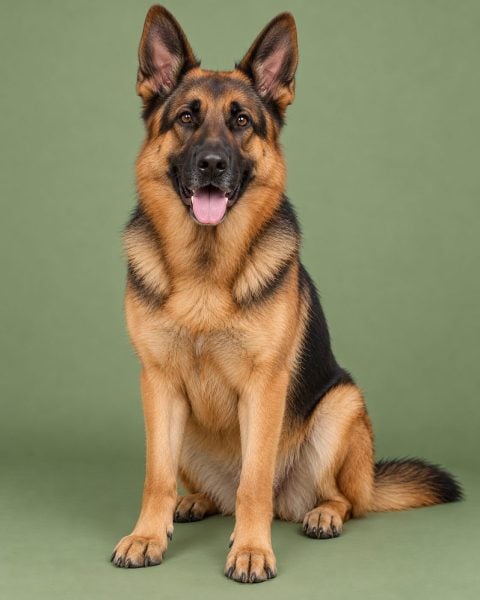
German Shepherd Dog
Large · 50 to 90 lb · 7 to 10 yrs
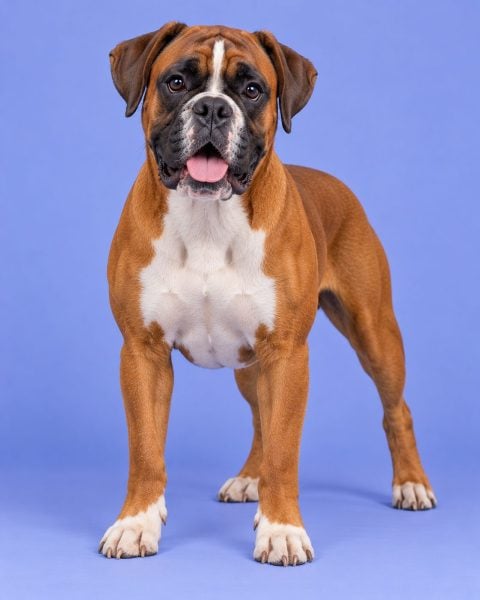
Boxer
Large · 50 to 80 lb · 10 to 12 yrs

Standard Poodle
Large · 40 to 70 lb · 10 to 18 yrs
The 10-question quiz asks about your home, your week and your patience, then points you to one breed to read about first.