10 Best Family Dogs for Kids
Many dog bites to children come from a dog the child knows, often the family's own. That fact should shape how you read any list like this one. A dog with a gentle reputation can still snap when a toddler grabs its ears or climbs on it while it sleeps. Breed helps, but the rules in your house matter more.
So teach the kids early. No hugging the dog around the neck, no bothering it while it eats, and always let it walk away. An adult watches when they play. With that in place, the breeds below usually handle family noise well. Some are big and busy, and a family dog that does not get enough exercise will invent its own games, often with your kids' socks.
How we picked: I chose breeds that score high for living with kids in our profiles, then mixed sizes and energy levels so busy families and calmer homes both have options.
-
1Labrador Retriever
Large · 55 to 80 lb · 10 to 12 yrs
Families with kidsHigh energyGains weight easilyA Lab tends to take a squeal or a dropped toy in stride, and it will join any backyard game. That patience comes with a lot of energy. Without an hour or more of activity, a young Lab knocks over small kids and steals sandwiches from little hands. Keep food off low tables.
Full Labrador Retriever profile → -
2Golden Retriever
Large · 55 to 75 lb · 10 to 12 yrs
Families with kidsHigh energyHigh cancer riskGoldens are soft-mouthed, social and happy to sit through a tea party. They match a family that spends a lot of time outdoors. Keep in mind that the long coat drops hair on every school uniform, and the breed has a high cancer risk, which is hard on kids. Ask your vet what to watch for.
Full Golden Retriever profile → -
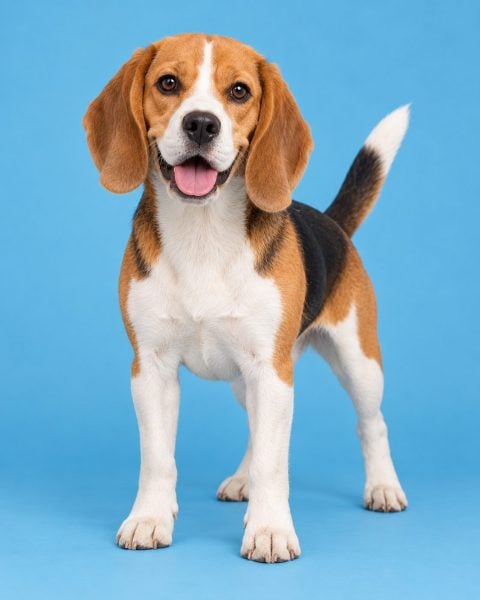
3Beagle
Small · 18 to 30 lb · 10 to 15 yrs
Families with kidsHigh energyLoud baying and howlingBeagles are sturdy, cheerful and small enough for older kids to walk with an adult nearby. They love a crowd. The trade is noise and nose: they bay loudly, and they will follow a smell out of an open gate. Teach kids to close doors and keep snacks up high.
Full Beagle profile → -
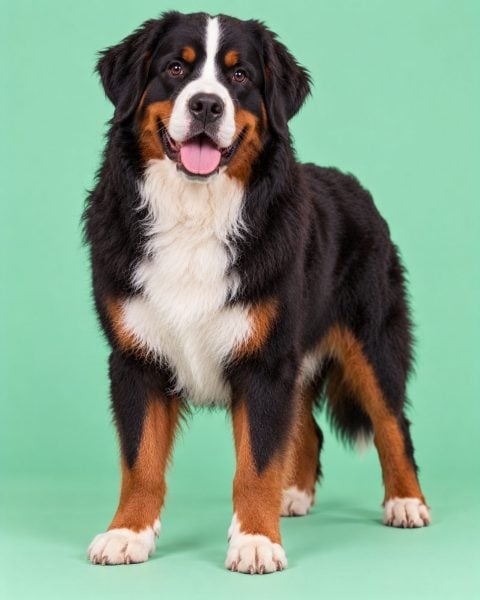
4Bernese Mountain Dog
Large · 70 to 115 lb · 7 to 10 yrs
Families with kidsMedium energyShort lifespanA Berner is big, slow to anger and often happy to lie in the middle of a noisy playroom. It loves cold weather and family hikes. The hard part is time. Most live only seven to ten years, and kids should know that when you bring one home.
Full Bernese Mountain Dog profile → -
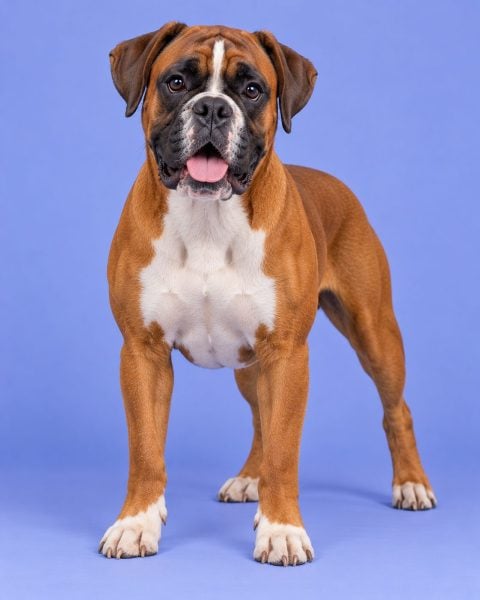
5Boxer
Large · 50 to 80 lb · 10 to 12 yrs
Families with kidsHigh energyHeart disease and cancer riskBoxers stay playful for years and tend to love kids who like to run around the yard. They need an hour or more of play and walks a day. Expect jumping, though. A happy Boxer can flatten a small child, so teach four paws on the floor early and supervise every greeting.
Full Boxer profile → -
6Great Dane
Giant · 110 to 175 lb · 7 to 10 yrs
Families with kidsMedium energyShort lifespanA Great Dane is often calm and gentle, and many are mellow at home. Kids love the size. The size is also the problem. A wagging tail can knock a toddler down, and food on the counter sits at nose level. Budget for food and vet bills on a giant scale.
Full Great Dane profile → -
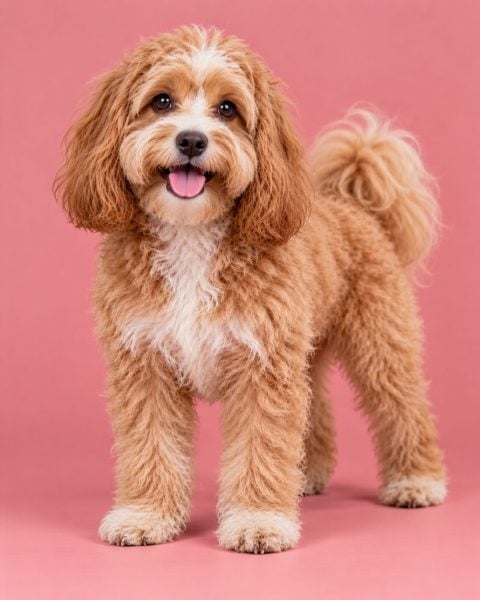
7Cavapoo
Small · 8 to 25 lb · 12 to 15 yrs
First-time ownersMedium energyHeart disease from the Cavalier sideFor a family with young kids and a smaller home, a Cavapoo is a soft fit. It is gentle, likes play and does not need long runs. The coat needs regular brushing, and many Cavapoos fret when the house empties out. If everyone is at school and work all day, rethink this one.
Full Cavapoo profile → -
8Havanese
Small · 7 to 13 lb · 14 to 16 yrs
First-time ownersMedium energyCoat tangles fastHavanese are sturdy for their size, playful and keen to be in on whatever the kids are doing. They pick up tricks quickly, and kids love teaching them. They are still small dogs, so a rough toddler can hurt one. Show children how to sit on the floor to hold it.
Full Havanese profile → -
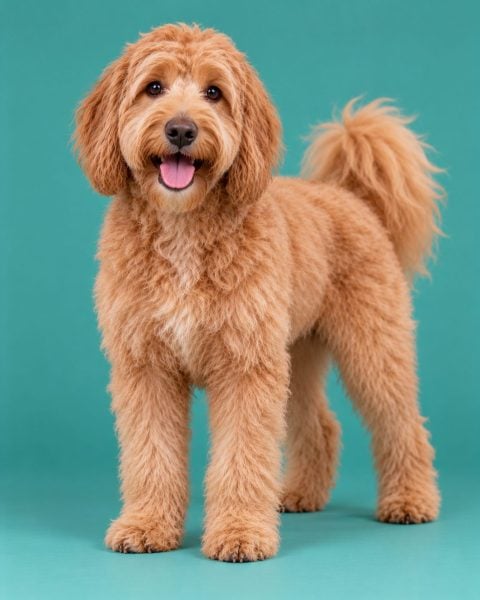
9Goldendoodle
Medium · 15 to 80 lb · 10 to 15 yrs
Families with kidsHigh energyCoat needs pro groomingDoodles are friendly with people and pets and learn house rules fast, which helps when kids give mixed commands. Larger ones need one to two hours of exercise a day. Coat care is a real cost, and size varies, so a small one can grow bigger than you expect. Ask to see both parents.
Full Goldendoodle profile → -
10American Cocker Spaniel
Medium · 20 to 30 lb · 10 to 14 yrs
Families with kidsMedium energyHigh grooming needsThe American Cocker is a good middle size for families, with a merry nature and moderate exercise needs. It tends to be gentle with kids who are kind to it. It is a sensitive dog, though, and may shy away from loud, rough play. Its ears and coat need regular care.
Full American Cocker Spaniel profile →





No list can promise how one dog will act with your kids. Meet the dog, or its parents, with your children there. Watch how it handles noise and sudden moves. Then set the house rules before the dog arrives. Give it a quiet place, like a crate or a gated room, where kids are not allowed to follow.
FAQ
What age should my kids be before we get a dog?
Many families find it easier once the youngest child is about five or six and can follow simple rules. Younger kids can live with dogs too, but they need closer supervision. The dog's size and energy matter here as well.
Should a dog ever be left alone with a young child?
It is safest not to, even with a calm dog. Small kids cannot read a dog's warning signs, and the dog cannot ask for help. An adult in the room prevents most problems.
Are big dogs or small dogs better with kids?
Sturdy medium and large dogs often handle clumsy kids better than tiny dogs, which are easy to hurt. Large dogs can knock small kids over, though. Temperament and training count more than size.
Breed information is general and every dog is an individual. Not veterinary advice.