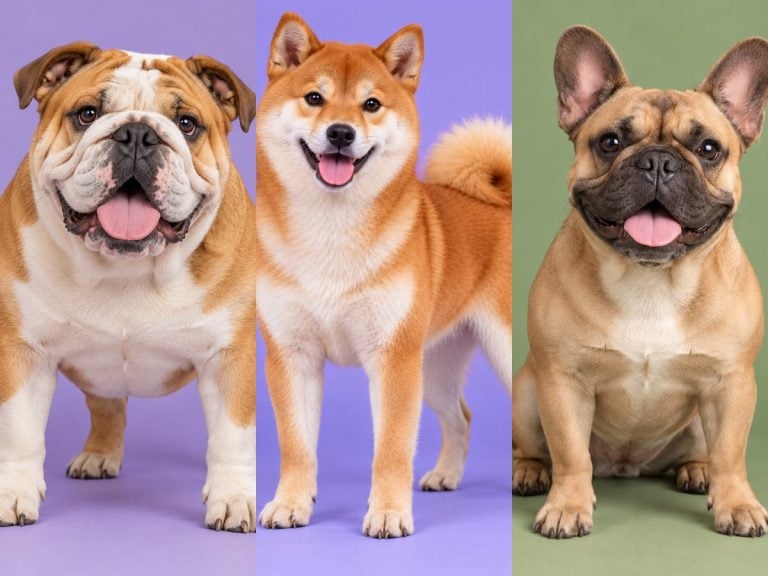
10 Best Dogs for First-Time Owners
Here is the part breed lists tend to skip. Every puppy chews, cries at night and pees on the rug at least once. There is no breed that trains itself. What a good first dog gives you is room for mistakes. It forgives a late walk or a mixed-up command, and it wants to work with you rather than against you.
That is what I looked for. These breeds learn quickly, tend to like people and usually bounce back from a beginner's clumsy handling. Some need a lot of exercise, some need a groomer, and a few have health costs you should price in now. Read the caveat on each one. The right first dog is the one whose downside you can live with.
How we picked: Breeds made this list for scoring 4 or 5 on trainability and having a steady, friendly nature, plus one calmer pick.
-
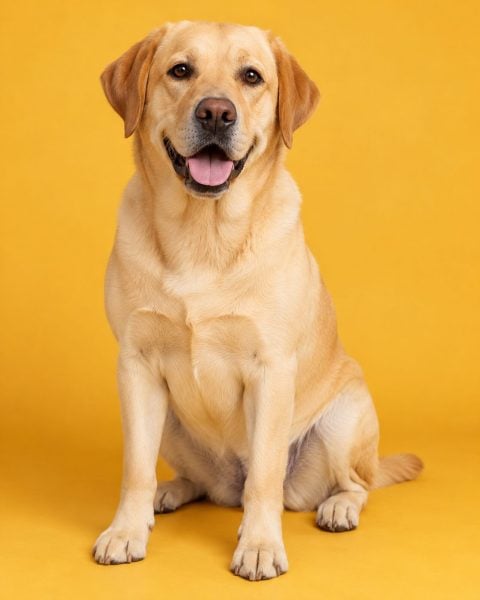
1Labrador Retriever
Large · 55 to 80 lb · 10 to 12 yrs
Families with kidsHigh energyGains weight easilyLabs learn fast because they will do almost anything for food. That same appetite is the trap. A Lab gains weight easily and will swallow socks, so you need to measure meals and keep the floor clear. Expect an hour or more of real activity a day once it is grown, and patience during the teen months.
Full Labrador Retriever profile → -
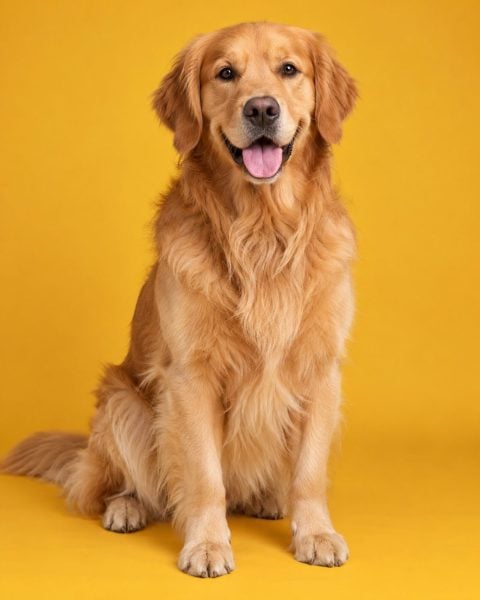
2Golden Retriever
Large · 55 to 75 lb · 10 to 12 yrs
Families with kidsHigh energyHigh cancer riskA Golden usually forgives your mistakes and keeps trying. It is soft, social and happy to learn the same cue ten times. Two things to plan for: the shedding is heavy all year, and the breed has a high cancer rate. Pet insurance taken out early is worth a serious look.
Full Golden Retriever profile → -
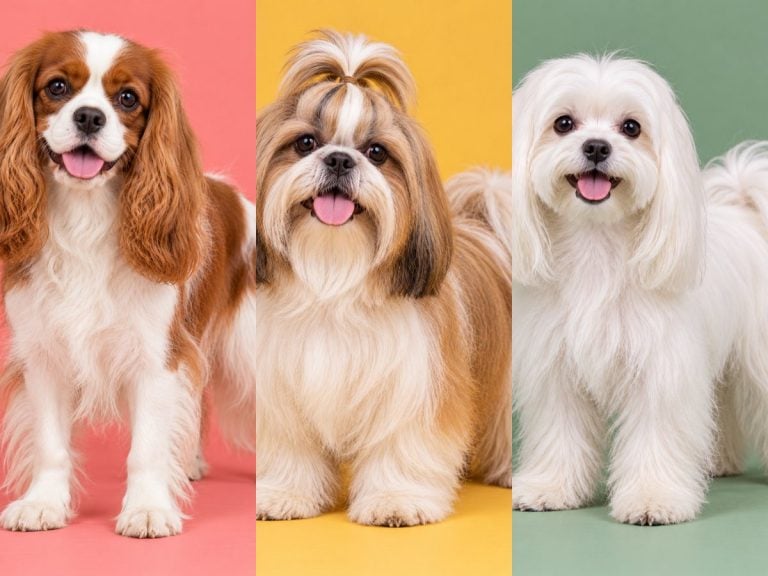
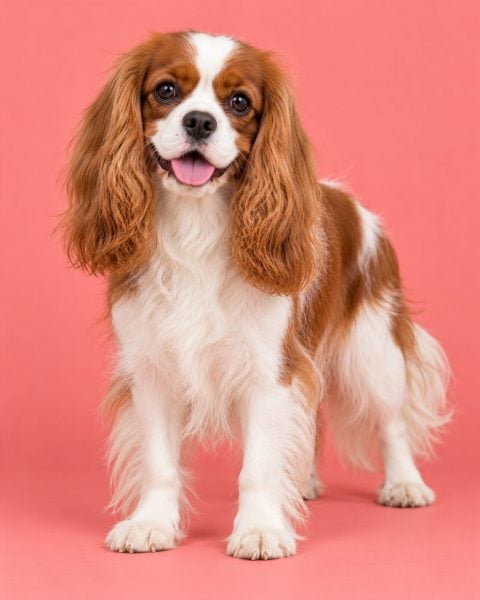
3Cavalier King Charles Spaniel
Small · 13 to 18 lb · 12 to 15 yrs
First-time ownersMedium energyEarly heart valve diseaseIf you want a dog that is gentle from day one and does not need long runs, the Cavalier is an easy fit. It learns kindly and likes almost everyone. The honest worry is the heart. Mitral valve disease is common in the breed, so ask the breeder about heart checks and keep up with vet visits.
Full Cavalier King Charles Spaniel profile → -
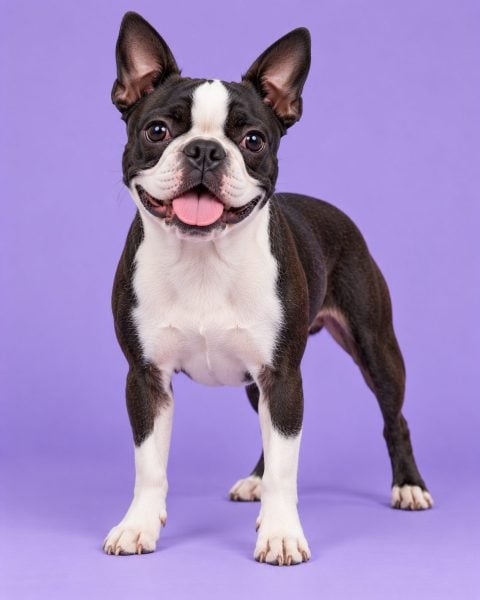
4Boston Terrier
Small · 12 to 25 lb · 11 to 13 yrs
ApartmentsMedium energyEye injuries and cataractsBostons are small, short-coated and quick to pick up house rules, which takes a lot off a beginner's plate. Grooming is a weekly brush and a wipe. They can dig in their heels, though, so keep training short and fun. Their short nose also means hot days call for shorter walks.
Full Boston Terrier profile → -
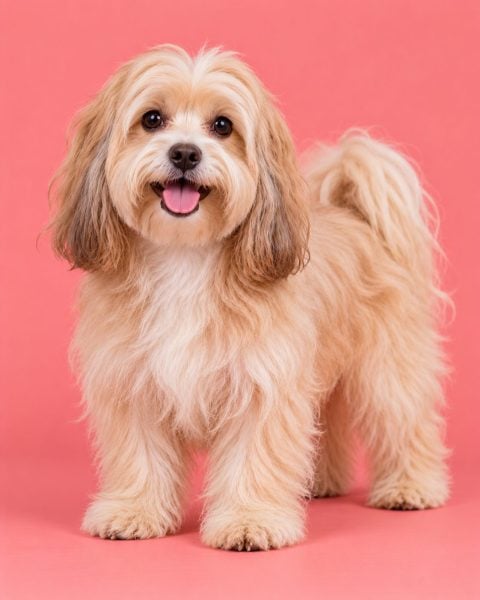
5Havanese
Small · 7 to 13 lb · 14 to 16 yrs
First-time ownersMedium energyCoat tangles fastKeen to please and fond of tricks, the Havanese often shines in a beginner class. It fits most homes without much exercise drama. The work is in the coat, which tangles fast and needs brushing several times a week or a short clip. It also wants company for most of the day.
Full Havanese profile → -
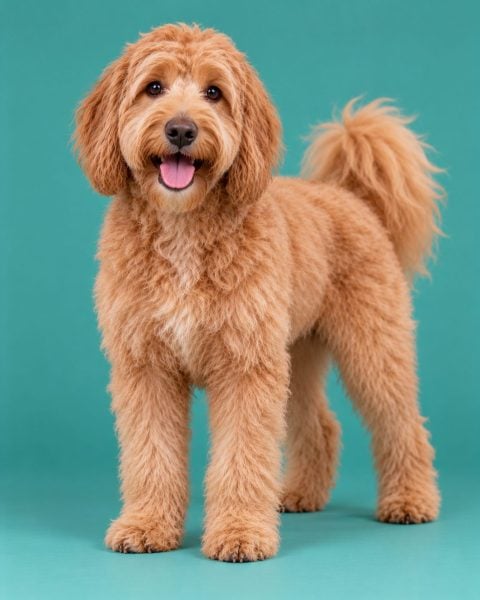
6Goldendoodle
Medium · 15 to 80 lb · 10 to 15 yrs
Families with kidsHigh energyCoat needs pro groomingDoodles come from two of the easiest breeds to train, and most love people of all sizes. They suit owners who want a social, sporty dog. The surprise for many beginners is the grooming bill, since that curly coat often needs a pro every few weeks. Size varies a lot, so meet the parents.
Full Goldendoodle profile → -
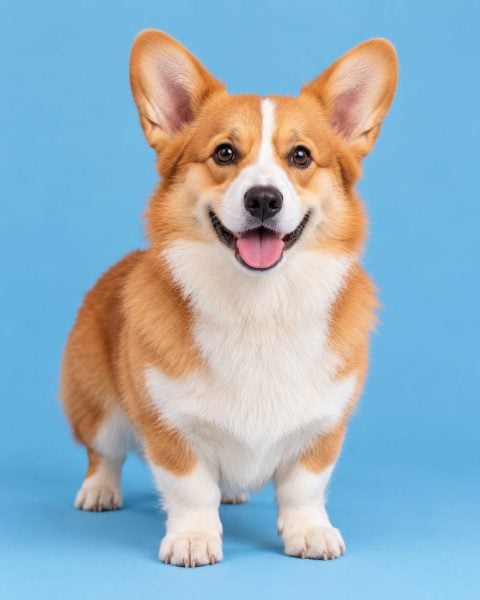
7Pembroke Welsh Corgi
Small · 24 to 30 lb · 12 to 13 yrs
First-time ownersHigh energyHeavy sheddingA Pembroke is smart, game for training and small enough to lift, yet sturdy. It does best with an owner who enjoys short daily lessons. Be ready for heavy shedding, a loud bark and herding nips at heels. Watch the food bowl too, because extra weight is hard on that long back.
Full Pembroke Welsh Corgi profile → -
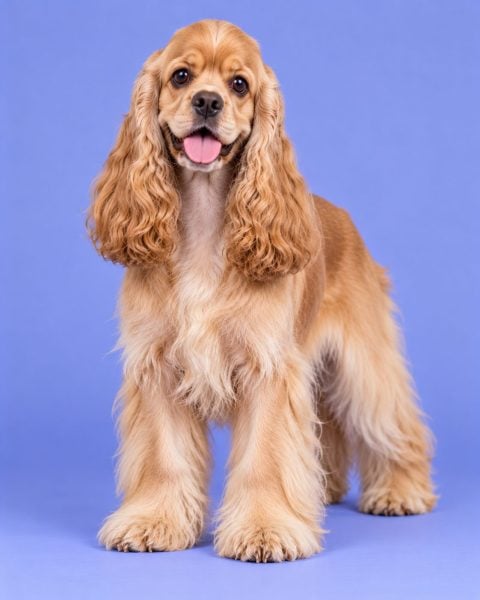
8American Cocker Spaniel
Medium · 20 to 30 lb · 10 to 14 yrs
Families with kidsMedium energyHigh grooming needsGentle and eager, the American Cocker responds well to praise and treats. It is a good size for most homes and happy with moderate walks. It is also sensitive, so harsh words can make it shy. Add the coat and ears to your budget, because grooming visits and ear checks come with this dog.
Full American Cocker Spaniel profile → -
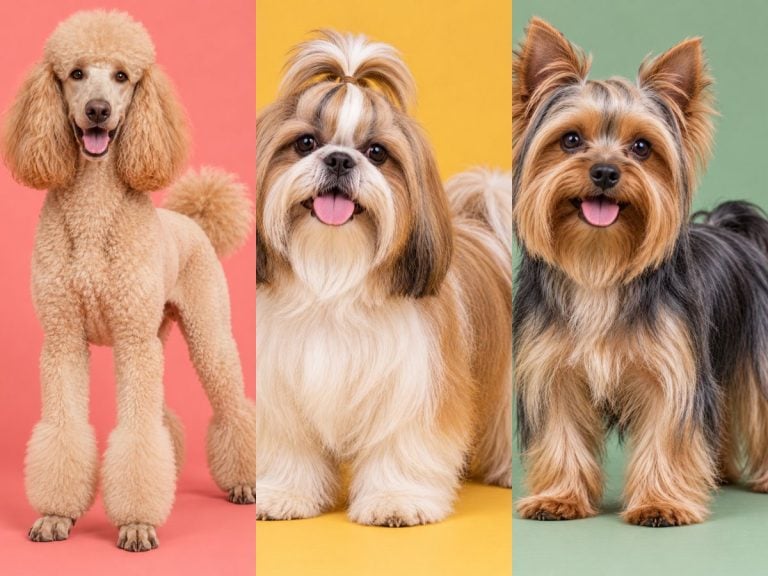
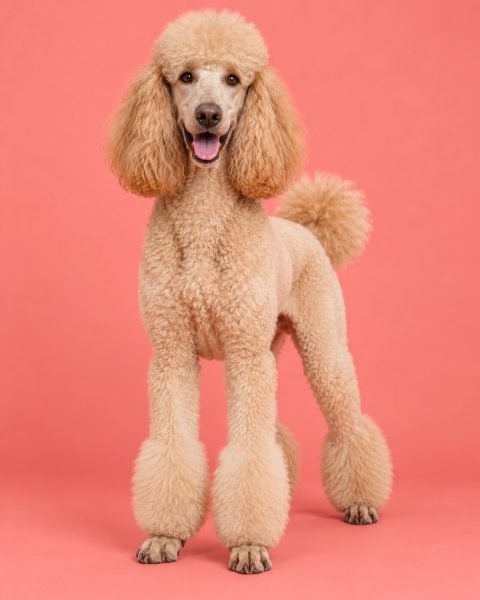
9Standard Poodle
Large · 40 to 70 lb · 10 to 18 yrs
Active peopleHigh energyCostly grooming every 4-6 weeksStandard Poodles are among the quickest learners you will meet, and they tend to be steady with visitors and kids. A beginner gets a lot back for a little effort. The costs are time and money: at least an hour of exercise a day and a full groom every four to six weeks.
Full Standard Poodle profile → -
10Pug
Small · 14 to 18 lb · 13 to 15 yrs
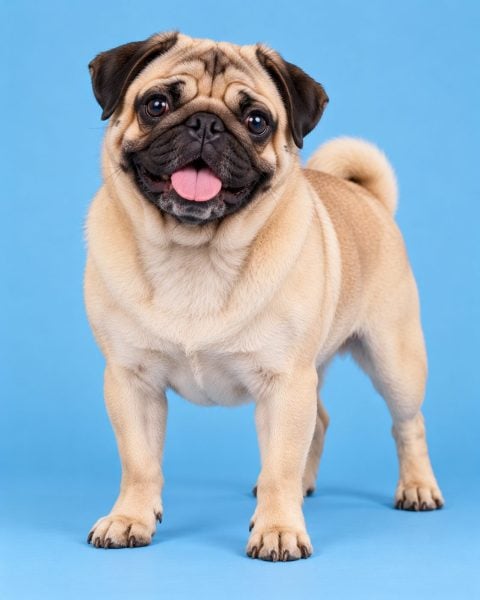
ApartmentsLow energyBreathing problemsThis is the calm pick. A Pug does not need much training to be a good house dog, and it mostly wants your lap. Lessons go slower than with a Lab, but its moods are easy to read. The real issue is breathing. Pugs struggle in heat, so keep summer walks short and cool.
Full Pug profile →
A good first dog still takes work in the first year: house training, puppy classes, a few chewed shoes. Pick the breed whose needs fit the life you have now, not the one you plan to have. If you are unsure, consider an adult dog from a shelter or rescue. You can see its temperament first, and staff can tell you what it is like at home.
FAQ
What is the easiest dog breed for a first-time owner?
No breed is easy in its first year. The ones that feel easiest learn quickly, like people and have needs that match your schedule. A calm adult dog is often simpler than any puppy.
Should a first-time owner get a puppy or an adult dog?
An adult dog lets you see its size, energy and manners before you commit. Puppies need house training, chew control and lots of supervision. Both can work if you know what you are signing up for.
Do I need a trainer for my first dog?
Not always, but a group puppy class is worth the money. It teaches you as much as the dog. If guarding or fear shows up, a qualified trainer can help early.
Breed information is general and every dog is an individual. Not veterinary advice.