9 Best Dogs for Active People
You want a dog that keeps up on a ten-mile trail run or a weekend in the mountains. Good. The dogs below can do that. Miles alone will not make them easy to live with, though. A Border Collie that runs all morning and gets no training will spend the afternoon herding your cat. Most high-energy breeds were bred to work, and they need their minds tired as well as their legs.
Weather is the other limit. A Husky built for snow can overheat on a warm July run, and short-coated dogs chill fast in winter. Puppies should not run long distances while their joints grow, so ask your vet when it is safe to start. Pick the dog whose sport matches yours, then add daily training on top.
How we picked: These breeds score 4 or 5 for energy in our profiles, and each entry names the activity it tends to enjoy most.
-
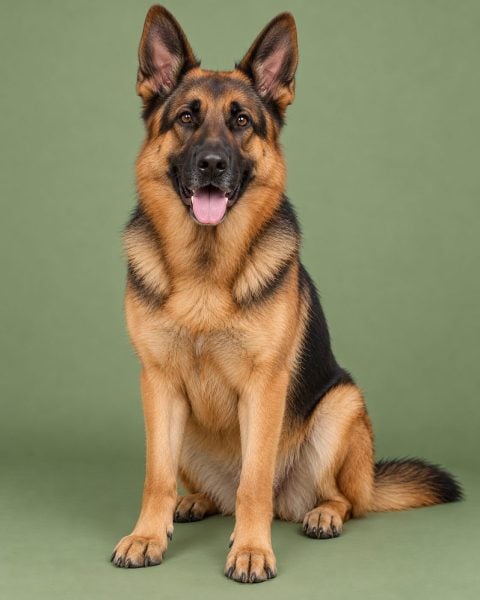
1German Shepherd Dog
Large · 50 to 90 lb · 7 to 10 yrs
Active peopleVery high energyVery heavy sheddingA shepherd will hike with you, learn a tracking course and still want a game when you get home. Give it about two hours of mixed work a day, with as much for its mind as for its body. It can be wary of strangers on busy trails, and it sheds enough to fill a vacuum every week.
Full German Shepherd Dog profile → -
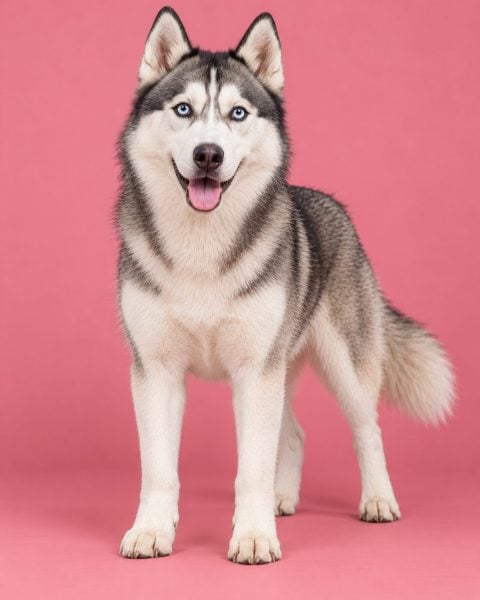
2Siberian Husky
Medium · 35 to 60 lb · 12 to 14 yrs
Active peopleVery high energyEscapes and roamsHuskies were built to run for hours, and they love running beside a bike, hiking and canicross. In cold weather they are at their best. In heat they are not, so move runs to early morning or skip them. Never trust one off leash. A Husky with a head start is gone.
Full Siberian Husky profile → -
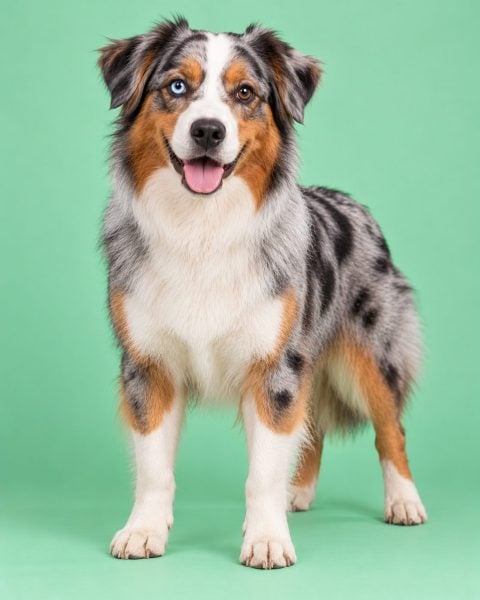
3Australian Shepherd
Medium · 40 to 65 lb · 12 to 15 yrs
Active peopleVery high energyNeeds daily workAn Aussie wants a partner more than a jogging buddy. Trail runs, swimming and herding lessons all suit it, and it learns new skills fast. Without daily work it may start herding kids and pets. Many carry the MDR1 drug sensitivity, so ask your vet about testing before some medicines are used.
Full Australian Shepherd profile → -
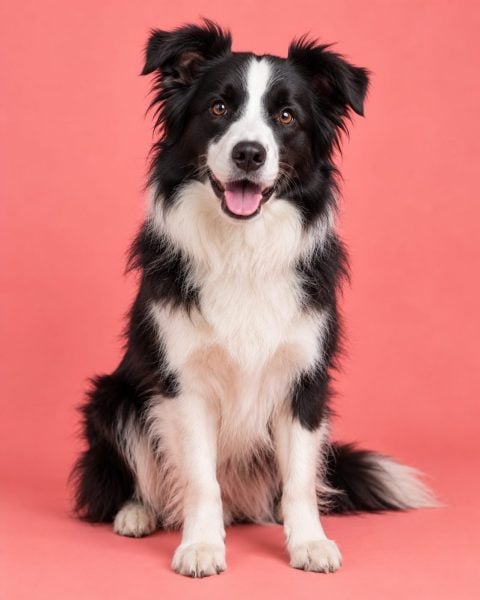
4Border Collie
Medium · 30 to 55 lb · 12 to 15 yrs
Active peopleVery high energyRestless without a jobIf your idea of fun is agility, flyball or a long mountain hike, a Border Collie will be all in. Plan on about two hours a day in chunks, with thinking games mixed in. It can fixate on moving things like bikes and cars, so leash manners near roads come first.
Full Border Collie profile → -
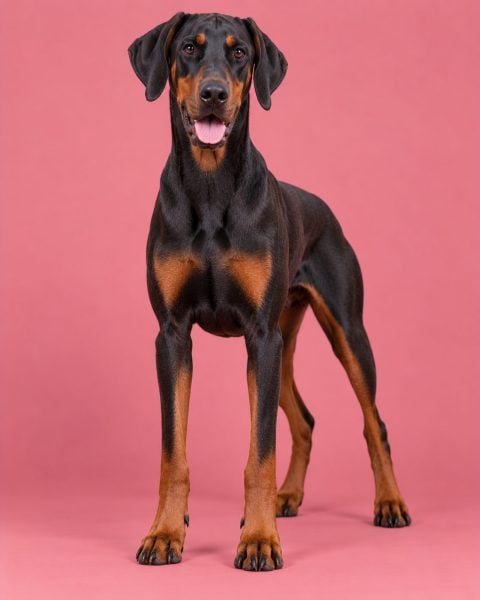
5Doberman Pinscher
Large · 60 to 100 lb · 10 to 12 yrs
Active peopleVery high energyHeart disease riskFast, athletic and eager to learn, the Doberman suits runners who also enjoy training sessions. It needs one to two hours of activity a day. The thin coat means cold weather calls for a dog coat or a shorter outing, and heart disease is common in the breed, so regular vet checks matter.
Full Doberman Pinscher profile → -
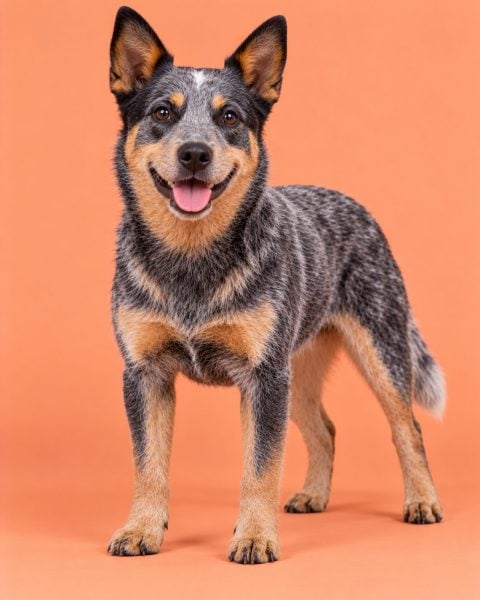
6Australian Cattle Dog
Medium · 35 to 50 lb · 12 to 16 yrs
Active peopleVery high energyNeeds 2+ hours of work dailyFor a hiker or a farm hand, the Cattle Dog has stamina to spare. It wants at least two hours a day, and some of that should be hard thinking work. It can nip at the heels of running kids and is often wary of strangers. Give it a task on every walk.
Full Australian Cattle Dog profile → -
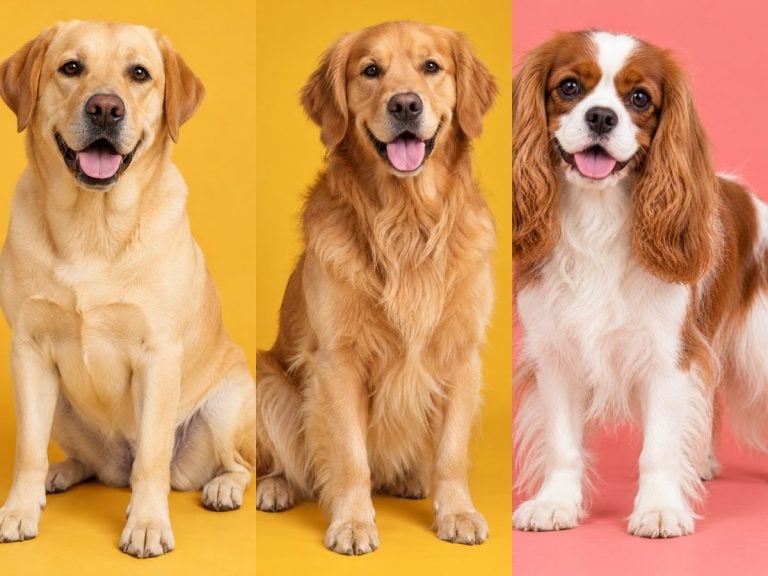
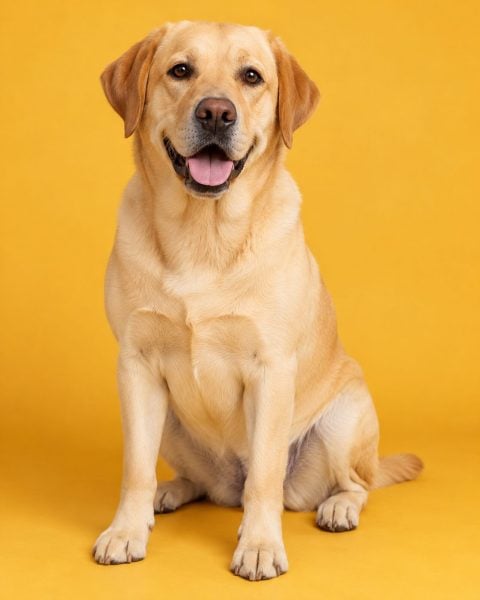
7Labrador Retriever
Large · 55 to 80 lb · 10 to 12 yrs
Families with kidsHigh energyGains weight easilyLabs make easy hiking and swimming partners, and they tend to be friendly with other people on the trail. An hour or more a day keeps most adults happy. Go easy on hard running and jumping while a Lab is young. Watch its weight too, since extra pounds strain the joints.
Full Labrador Retriever profile → -
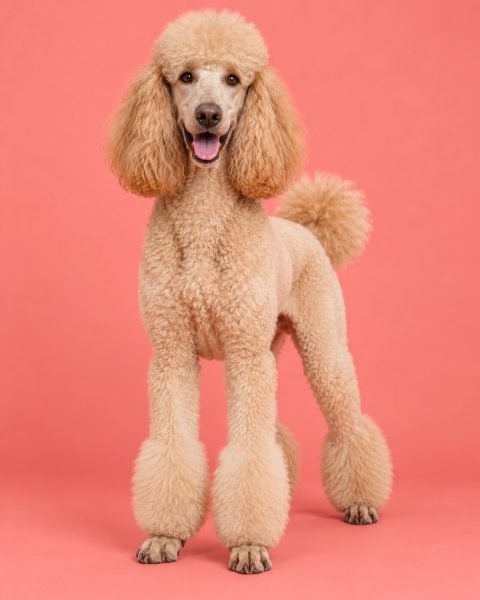
8Standard Poodle
Large · 40 to 70 lb · 10 to 18 yrs
Active peopleHigh energyCostly grooming every 4-6 weeksStandard Poodles surprise people on the trail. Many love to swim, retrieve and run, and they shine at agility and rally. They need at least an hour a day of real exercise. The coat is the catch for outdoor people. Burrs and mud cling to curls, and grooming visits are not cheap.
Full Standard Poodle profile → -
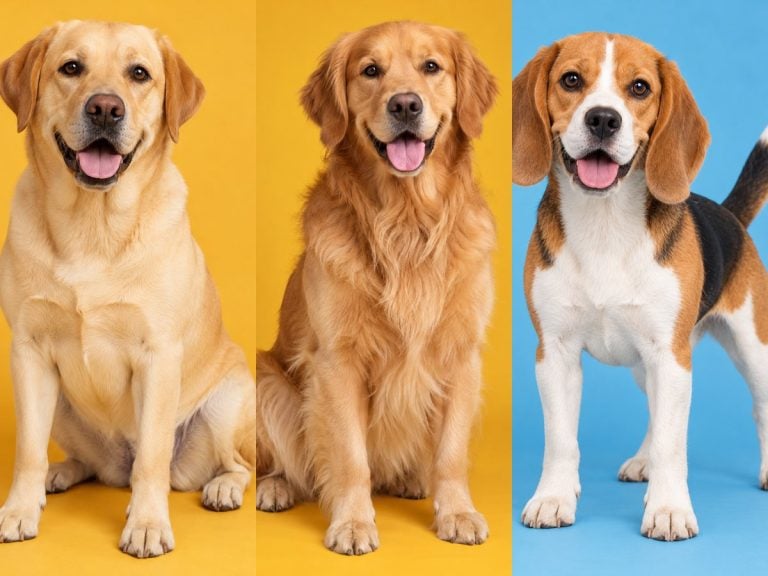
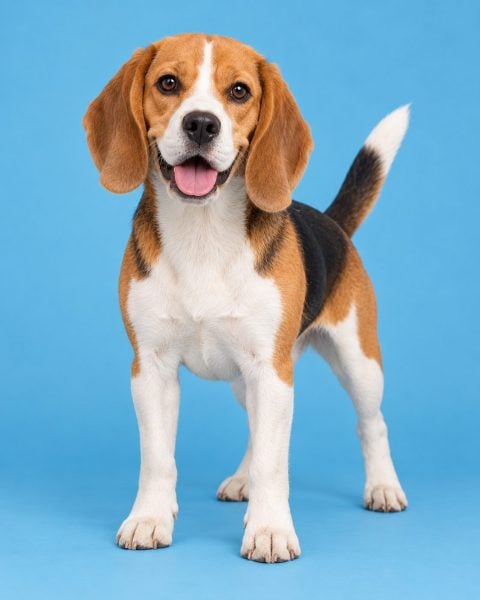
9Beagle
Small · 18 to 30 lb · 10 to 15 yrs
Families with kidsHigh energyLoud baying and howlingA Beagle is a hiking partner for people who like to stop and look around. It gets more from a long, sniffy walk than a fast run. That nose is also why it needs a leash or a long line in open country. Once it catches a scent, it will not hear you call.
Full Beagle profile →
Start slowly with any new dog, even a fit one, and build distance over weeks. Carry water, check paws after rough ground and watch for heavy panting. On rest days, give the brain a workout with scent games or a new trick. A busy dog that can settle at home is the goal, and settling is a skill you teach.
FAQ
At what age can my dog start running with me?
It depends on the breed and size, since big dogs finish growing later. Many vets suggest waiting until the growth plates close, often somewhere between 12 and 18 months. Ask your vet before you start a running plan.
Which active dogs handle hot weather best?
Short-coated dogs with normal muzzles usually cope better than thick-coated breeds like the Husky. Even so, no dog should run hard in the heat of the day. Watch for heavy panting, drooling or slowing down, and stop.
Is a high-energy dog right if I only exercise on weekends?
Usually not. These breeds need daily activity, and two big days cannot make up for five quiet ones. A dog walker or a calmer breed may suit a weekend-only schedule better.
Breed information is general and every dog is an individual. Not veterinary advice.