Border Collie
A sheepdog with a brilliant mind and almost no off switch
- Group
- Herding
- Size
- Medium
- Weight
- 30 to 55 lb
- Height
- 18 to 22 in
- Lifespan
- 12 to 15 years
- Coat
- Medium
- Origin
- Scotland and England
- Puppy price
- $1,000 to $2,500
- Monthly cost
- $100 to $200 a month
Prices are rough US ranges and vary a lot by region.
Good for
Watch out
The ten scores
higher is easier to live with higher means more work, noise or cost. All scores 1 to 5.
What living with a Border Collie is like
Here is the honest warning first. A Border Collie in a quiet home with two short walks is an unhappy dog. PDSA advises at least two hours of exercise a day, plus mental work. Without that, the breed finds its own outlets. It herds cars, stares at shadows, chews furniture or circles the kids. Most of that damage is boredom, not bad behavior, and it is no fault of the dog.
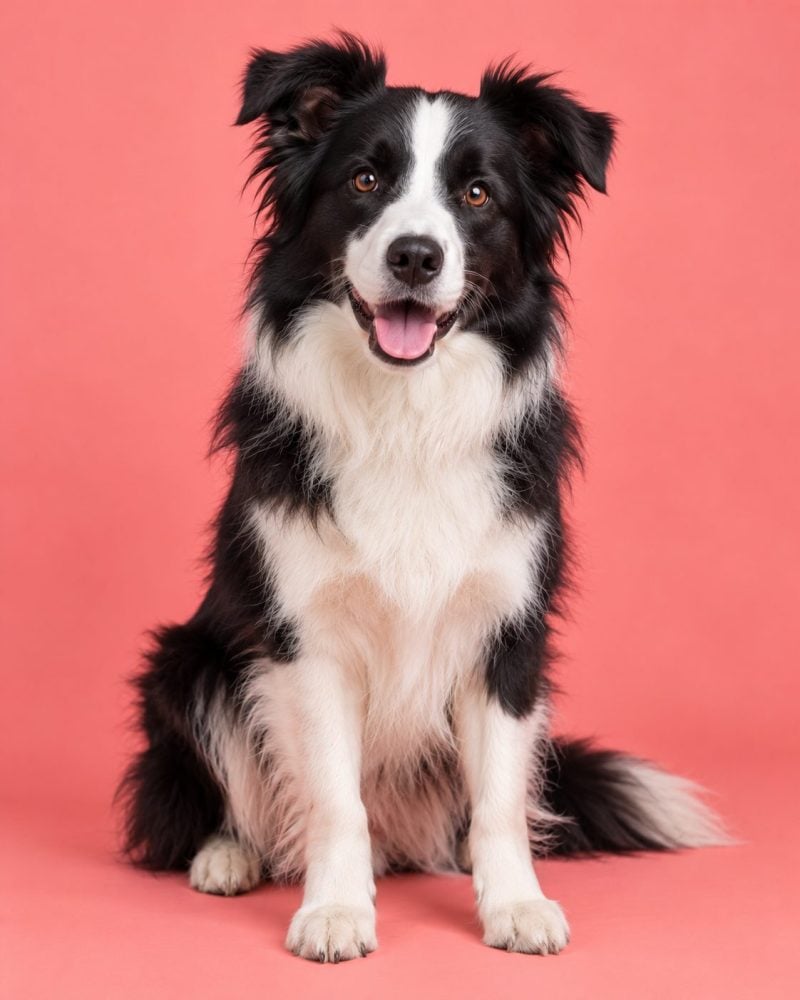
This is a working sheepdog from the border country between England and Scotland. It was bred for intense focus on moving animals and quick response to a handler. Watch one work sheep and you will see the famous low crouch and hard stare. That focus makes it amazing at agility, obedience and herding trials. It is also why it can fixate on balls, lights or bikes.
In the right home, few dogs are more rewarding. Border Collies read your body language, learn cues in a few tries and love to work with you. They tend to bond tightly with one or two people and want to be with them most of the day. Many are sensitive, so harsh training backfires. Some are wary of strangers or loud homes. Small kids who run and shriek can set off the herding instinct, so PDSA suggests homes with teens or adults. Teens who want a partner for running or agility can be a great match. Upkeep costs are modest for a dog this size, though they vary by region.
Care basics
Exercise
Mix running with thinking. Fetch alone can turn obsessive, so add herding lessons, agility, scent games or hikes. Two hours a day is a fair target, broken into chunks. On days you cannot get out, a long session of new tricks helps. Rest days still need a brain game.
Grooming
Coats come in rough and smooth types. Both shed, with heavier drops in spring and fall. Brushing a few times each week keeps hair under control, and more often during sheds for the rough coat. Check for burrs after hikes and trim nails regularly.
Training
Teaching a Border Collie tricks is easy. Teaching it to relax is the real work. Practice calm on a mat, reward doing nothing and take short breaks between games. Use gentle, reward based methods, since many shut down with harsh handling.
Feeding
A working Border Collie and a pet one eat very different amounts. Start with your vet's estimate for a lean, active dog, then adjust each month by feel. Pay part of the daily ration out as training rewards. That way a long session does not add pounds.
Health checks
Ask the breeder about hip scores, an eye exam and DNA tests. The UK Kennel Club lists tests for collie eye anomaly, trapped neutrophil syndrome and several more. Seizures are a known risk, so call your vet about any odd episode, and film it if you can.
Home setup
A secure yard and an owner with time matter more than square feet. Border Collies cope poorly when left alone for long days. Close the blinds if your dog fixates on traffic. Some do well in a city with a dedicated owner, but most do best near open space.
Health conditions common in the breed
| Condition | What to know |
|---|---|
| Collie eye anomaly | An inherited eye defect present at birth. It can be mild or lead to blindness, and a DNA test exists. |
| Epilepsy | A brain disorder that causes seizures, common enough in the breed to be a known concern. It is usually managed with medication. |
| Trapped neutrophil syndrome | The bone marrow cannot release white blood cells properly, so pups fall ill often. It is fatal, and your vet can tell you what to screen for in a puppy's parents. |
Not every Border Collie will have these. Your vet can tell you what to screen for and when.
Common behaviour questions
Why does my Border Collie crouch and stare at other dogs?
That crouch and stare is part of the herding pattern. Some dogs find it rude and react. Call your dog away, reward it and keep greetings short.
Why does my Border Collie chase shadows and lights?
Fixation on moving light can become a habit. Skip laser pointers, block flickers and offer other outlets. If it gets intense, ask your vet, since it can turn compulsive.
Why does my Border Collie never settle in the evening?
Many have never learned how to rest. Teach a settle on a mat with calm rewards. Plan a short training session after dinner, then quiet time.
FAQ
Is a Border Collie the smartest dog breed?
It often tops lists of the most trainable breeds. Smart also means it learns your routine, your weak spots and how to open doors. Brains add work for you.
Do Border Collies need sheep to be happy?
No, but they need something that feels like work. Agility, herding lessons, trick training and scent games all count. Plenty of pet Border Collies never meet a sheep.
Can a Border Collie live in an apartment?
It can work, but only with a lot of outdoor time every day. Walls do not matter much. Your hours do.
Not veterinary advice. Breed traits are averages and every dog is an individual. Talk to your vet about your own dog's health.
Sources
- akc.org /dog-breeds/border-collie/
- pdsa.org.uk /pet-help-and-advice/looking-after-your-pet/puppies-dogs/medium-dogs/border-collie
Similar breeds to compare
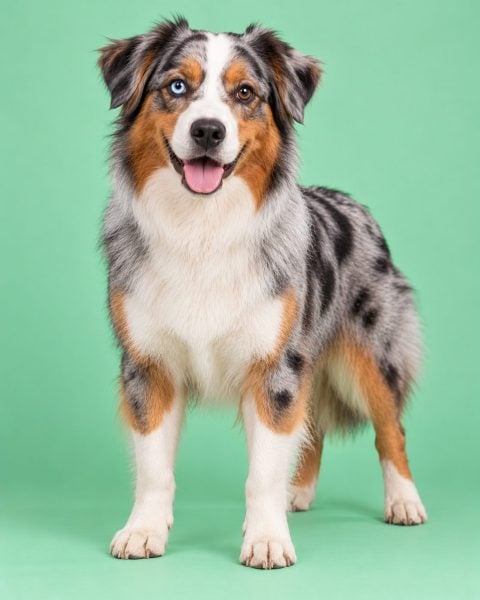
Australian Shepherd
Medium · 40 to 65 lb · 12 to 15 yrs
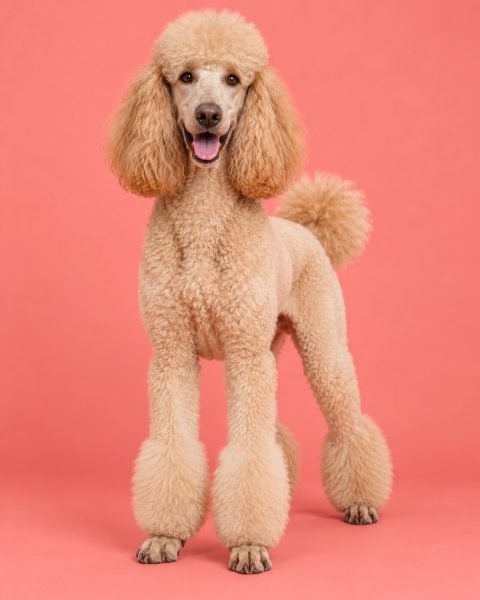
Standard Poodle
Large · 40 to 70 lb · 10 to 18 yrs

Labrador Retriever
Large · 55 to 80 lb · 10 to 12 yrs
The 10-question quiz asks about your home, your week and your patience, then points you to one breed to read about first.