Australian Shepherd
A tough ranch dog that needs a job more than a couch
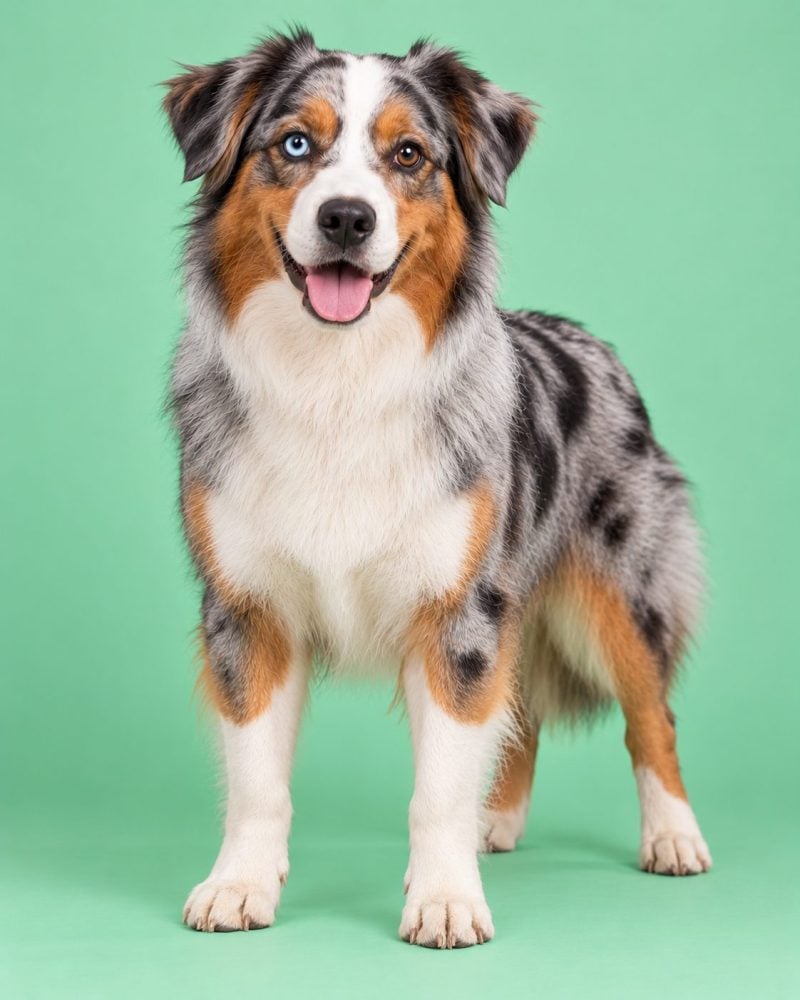
- Group
- Herding
- Size
- Medium
- Weight
- 40 to 65 lb
- Height
- 18 to 23 in
- Lifespan
- 12 to 15 years
- Coat
- Medium
- Origin
- United States
- Puppy price
- $1,000 to $3,000
- Monthly cost
- $120 to $250 a month
Prices are rough US ranges and vary a lot by region.
Good for
Watch out
The ten scores
higher is easier to live with higher means more work, noise or cost. All scores 1 to 5.
What living with a Australian Shepherd is like
Despite the name, the Australian Shepherd was shaped on ranches in the American West. AKC calls it a European breed perfected in California by way of Australia. Ranchers wanted a dog that could work stock all day and think for itself. It still checks on everyone, counts heads at the door and notices when something is off. That is the dog you bring home, even if your only livestock is a cat.
Most Aussie problems come from too little to do. An hour of walking will not cover it. A bored Aussie is loud, busy and very creative about it. They need hard running plus brain work, every day, or they invent jobs like herding the kids, chewing the door frame or barking at every car. Some are reserved with strangers and bossy with other dogs. First-time owners often find it a lot.
Give one a purpose, though, and you get a brilliant partner. Few breeds are as quick to learn or as keen to join every plan you make. Aussies learn fast, love to train and shine at agility, herding trials and flyball. They bond hard with their people and often follow them room to room. The coat is medium length and sheds steadily. About half of Aussies carry the MDR1 gene change, so a simple DNA test matters before your vet uses certain drugs. Costs are middle of the road and depend on where you live.
Care basics
Exercise
Plan on well over an hour of hard activity, and two is better. Fetch, trail runs, swimming and herding lessons all count. Add 15 minutes of training or a puzzle feeder on top. Puppies need shorter play sessions while joints grow. A tired Aussie is a polite Aussie.
Grooming
Brush once or twice a week, paying attention to the soft fur behind the ears and the feathering on the legs and rear. Shedding peaks in spring. Trim the hair between the paw pads if it gets long. A bath every month or two is plenty for most.
Training
This breed learns new cues in a few tries, which cuts both ways. It picks up bad habits just as fast. Start on day one with clear rules and lots of rewards. Socialize widely as a puppy, since some Aussies grow wary of strangers. Ending a walk with a short trick session uses that brain well.
Feeding
Match the amount to the workload. A dog running sheep or doing agility burns far more than one having a quiet week. Weigh your dog monthly and adjust. Food puzzles and scatter feeding turn mealtime into a job, which this breed loves.
Health checks
Run an MDR1 DNA test and tell every vet the result. Ask the breeder for hip and eye results on both parents, since Aussies can have inherited cataracts and collie eye anomaly. Tell your vet about any seizure, because epilepsy is a known concern in the breed.
Home setup
A fenced yard helps a lot, though it does not replace exercise. Aussies are not good alone for long hours and may get destructive when bored. A home where someone works remotely, or a busy family, suits them better than a quiet flat.
Health conditions common in the breed
| Condition | What to know |
|---|---|
| MDR1 drug sensitivity | A gene change makes some dogs react badly to common drugs. WSU estimates about half of Aussies carry it, and only a test tells you. |
| Hip dysplasia | A loose hip joint that can lead to arthritis. It is among the most often reported problems in breed health surveys. Hip scores on both parents are worth asking about. |
| Inherited eye disease | Cataracts and collie eye anomaly both occur in the breed. Your vet can tell you what to screen for and when. |
Not every Australian Shepherd will have these. Your vet can tell you what to screen for and when.
Common behaviour questions
Why does my Aussie stare at me all evening?
It is waiting for the next job. Herding dogs watch their people closely. Give it a chew, a puzzle or a settle cue on a mat, and reward calm. Ending the day with a short walk can help too.
Why does my Aussie bark at strangers?
Some Aussies are naturally guarded with new people. Early socialization helps. Let guests ignore the dog and toss treats until it chooses to come closer.
Why does my Aussie nip at bikes and joggers?
Fast movement triggers the herding drive. Keep it on leash near paths, and reward eye contact when a bike goes by. Start far away and close the distance slowly.
FAQ
What is a Miniature American Shepherd?
It is a separate, smaller breed developed from small Aussies. It has a similar look and drive in a smaller body. AKC recognized it as its own breed in 2015.
Do Australian Shepherds have tails?
Some are born with a natural bobtail, and some are docked. Others keep a full tail. Tail length does not change temperament.
Do Aussies do well with other dogs?
Many do, especially when raised with them. Some herd or boss other dogs, and a few are wary of new ones. Calm, early meetings help.
Not veterinary advice. Breed traits are averages and every dog is an individual. Talk to your vet about your own dog's health.
Sources
- akc.org /dog-breeds/australian-shepherd/
- prime.vetmed.wsu.edu /2021/10/19/breeds-commonly-affected-by-mdr1-mutation/
Similar breeds to compare
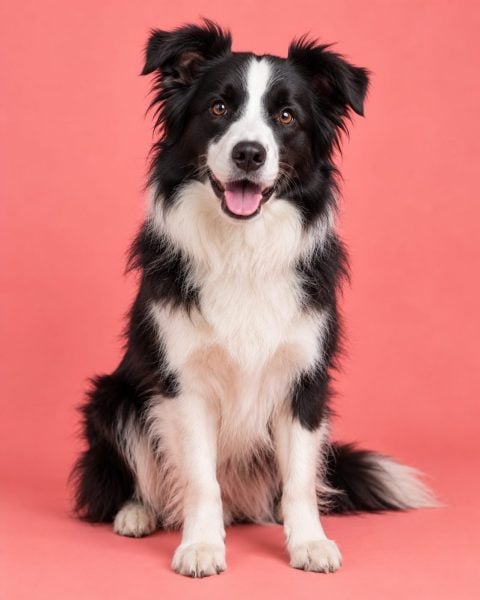
Border Collie
Medium · 30 to 55 lb · 12 to 15 yrs
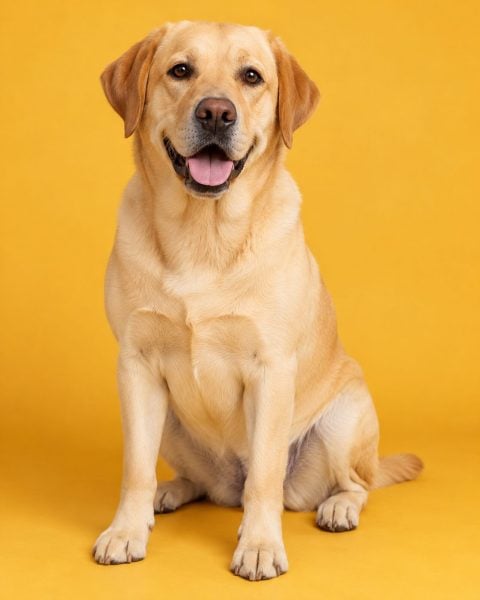
Labrador Retriever
Large · 55 to 80 lb · 10 to 12 yrs
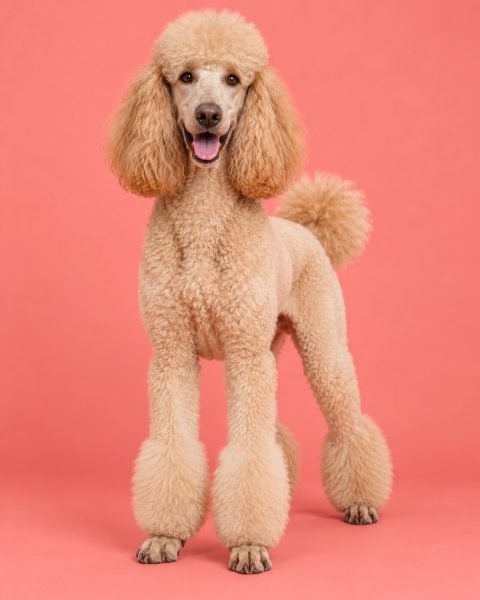
Standard Poodle
Large · 40 to 70 lb · 10 to 18 yrs
The 10-question quiz asks about your home, your week and your patience, then points you to one breed to read about first.