9 Best Dogs for Hot Climates
I once watched a fit young Lab flop down in the shade after ten minutes on a sunny trail. A Pug I knew needed a cool towel after one lap of the block. Heat hurts dogs faster than most people think. Dogs cool off mostly by panting, and panting has limits.
Some breeds still handle warm places better than others. Short, light coats help, and so do lean bodies and normal-length noses. Flat-faced breeds are the opposite. The French Bulldog, Bulldog, Pug, Boston Terrier, Shih Tzu and Boxer all struggle to cool down. So do the heavy coats: Husky, Malamute, Samoyed, Bernese, Newfoundland and Saint Bernard. No dog on this list is heatproof, either. Every one of them needs shade, fresh water and summer walks at dawn or after dark.
How we picked: A breed earned a spot with a short or light coat, a normal muzzle and a frame that is not too heavy, checked against its profile's heat notes.
-
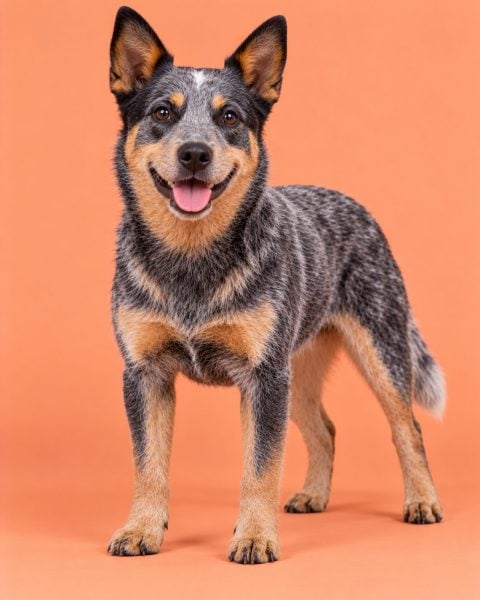
1Australian Cattle Dog
Medium · 35 to 50 lb · 12 to 16 yrs
Active peopleVery high energyNeeds 2+ hours of work dailyAustralian ranch country is hot, dry and wide, and the Cattle Dog was made to work there all day. Its short coat and lean frame shed heat well. The hard part is the workload. It needs about two hours of real activity daily, and in July that has to fit into early mornings and late evenings.
Full Australian Cattle Dog profile → -
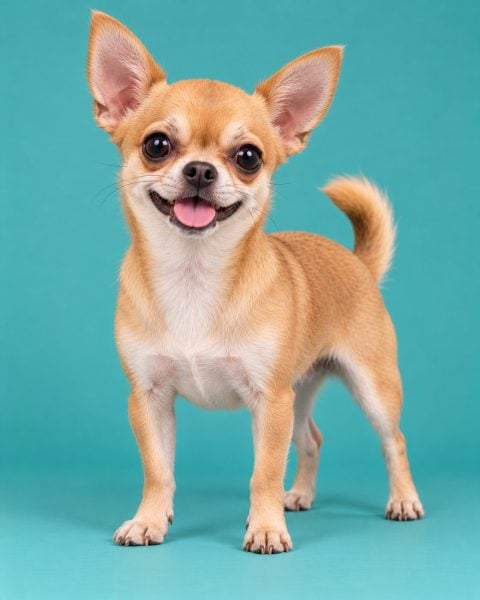
2Chihuahua
Toy · 2 to 6 lb · 12 to 16 yrs
ApartmentsMedium energyVery vocalMexico is home to this breed, and a tiny, short-coated Chihuahua copes well in a warm house. Most of its exercise can happen indoors on the worst days. Hot pavement is the real risk, since its body sits close to the ground. Press your hand on the sidewalk first, and if it burns, carry the dog.
Full Chihuahua profile → -
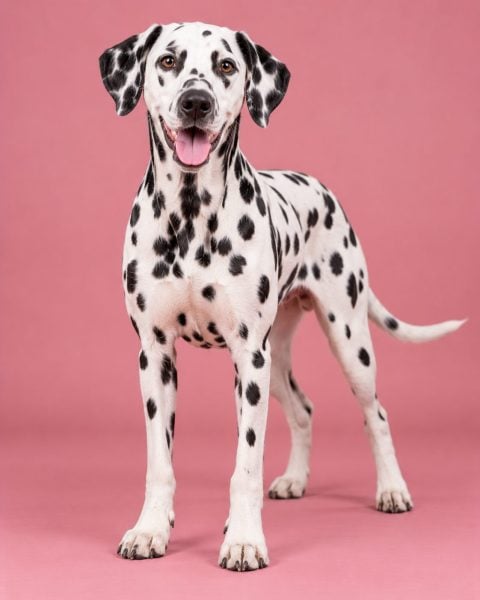
3Dalmatian
Medium · 45 to 70 lb · 11 to 13 yrs
Active peopleVery high energyDeafness is commonLong legs, a short coat and a runner's build help a Dalmatian stay comfortable on warm outings. Keep water with you on every walk. Urinary stones are common in the breed, and your vet may want it drinking plenty. It also sheds white hairs all year, so dark sofas and summer shorts will show them.
Full Dalmatian profile → -
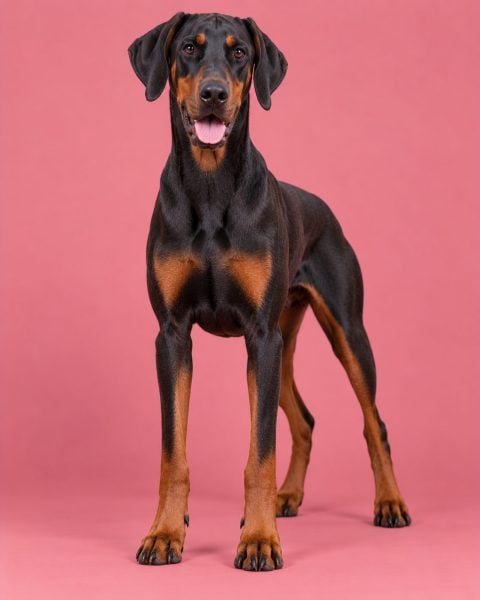
4Doberman Pinscher
Large · 60 to 100 lb · 10 to 12 yrs
Active peopleVery high energyHeart disease riskShort, close fur and an athletic body help the Doberman lose heat on a warm walk. A black or dark coat soaks up sun, though, so shade breaks matter more than with a light dog. Fit its one to two hours of daily activity into the coolest hours, and keep up with heart checks at the vet.
Full Doberman Pinscher profile → -
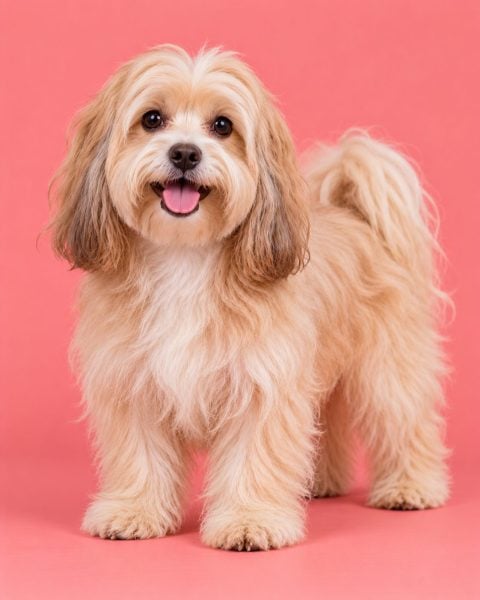
5Havanese
Small · 7 to 13 lb · 14 to 16 yrs
First-time ownersMedium energyCoat tangles fastCuba's national dog grew up with warm weather, and its silky coat is lighter than it looks. Half an hour of exercise covers most days, which is easy to fit into a cool morning. The coat tangles fast, so many owners in hot places keep it in a short clip and still brush it several times a week.
Full Havanese profile → -
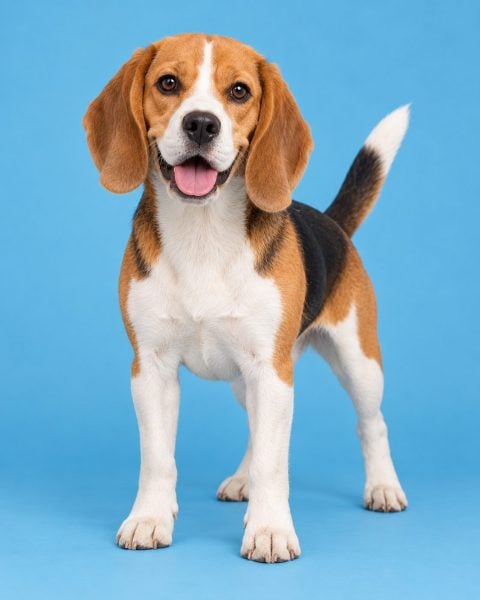
6Beagle
Small · 18 to 30 lb · 10 to 15 yrs
Families with kidsHigh energyLoud baying and howlingShort fur and a compact frame mean a Beagle handles a warm afternoon better than most hounds with thick coats. It still wants a long, sniffy walk every day, so choose shaded routes and go early. Heat will not slow that nose. A Beagle on a scent keeps going after it should rest, so you decide when to turn back.
Full Beagle profile → -
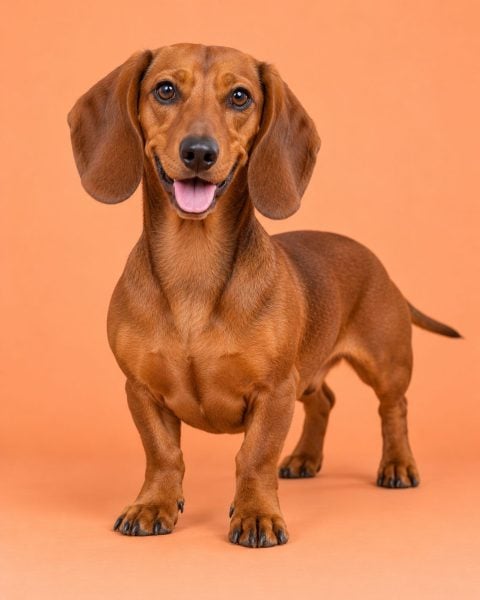
7Dachshund
Small · 11 to 32 lb · 12 to 16 yrs
ApartmentsMedium energyBack injury riskSmooth Dachshunds carry a thin coat and do well in a warm home. Their low build is the weak spot outside, because the belly rides only inches above hot asphalt and sand. Walk on grass when you can. Keep the dog lean too, since extra weight makes heat harder to bear and strains that long back.
Full Dachshund profile →
Learn the signs of heat stress before summer starts. Watch for heavy panting, thick drool, a bright red tongue, stumbling, or a dog that lies down and stays down. If you see them, move the dog into shade, offer water, cool it with wet towels and call your vet. Then change the plan. Hot days are for short walks, indoor games and a cool floor.
FAQ
Which breeds should stay out of the heat?
Flat-faced dogs top the list: French Bulldogs, Bulldogs, Pugs, Boston Terriers, Shih Tzus and Boxers. Thick-coated breeds like the Husky, Malamute, Samoyed, Bernese Mountain Dog, Newfoundland and Saint Bernard also struggle. They can live in warm places, but only with air conditioning and walks at the coolest times.
Should I shave my dog's coat for summer?
Ask your groomer or vet first. Double coats, like a Corgi's or a Husky's, help protect the skin from sun and heat, so shaving them can backfire. Single silky coats, like the Havanese's, can often be kept in a short clip.
How hot is too hot for a walk?
There is no single number, since humidity, shade and the dog all matter. A simple test is to hold the back of your hand on the pavement for seven seconds. If you cannot keep it there, paws cannot either, so walk on grass or wait for evening.
Breed information is general and every dog is an individual. Not veterinary advice.