Bichon Frise
A merry white powder puff that needs daily brushing and company
- Group
- Non-Sporting
- Size
- Small
- Weight
- 12 to 18 lb
- Height
- 9 to 12 in
- Lifespan
- 12 to 15 years
- Coat
- Curly
- Origin
- Mediterranean, refined in France and Belgium
- Puppy price
- $1,200 to $3,500
- Monthly cost
- $100 to $200 a month
Prices are rough US ranges and vary a lot by region.
Good for
Watch out
The ten scores
higher is easier to live with higher means more work, noise or cost. All scores 1 to 5.
What living with a Bichon Frise is like
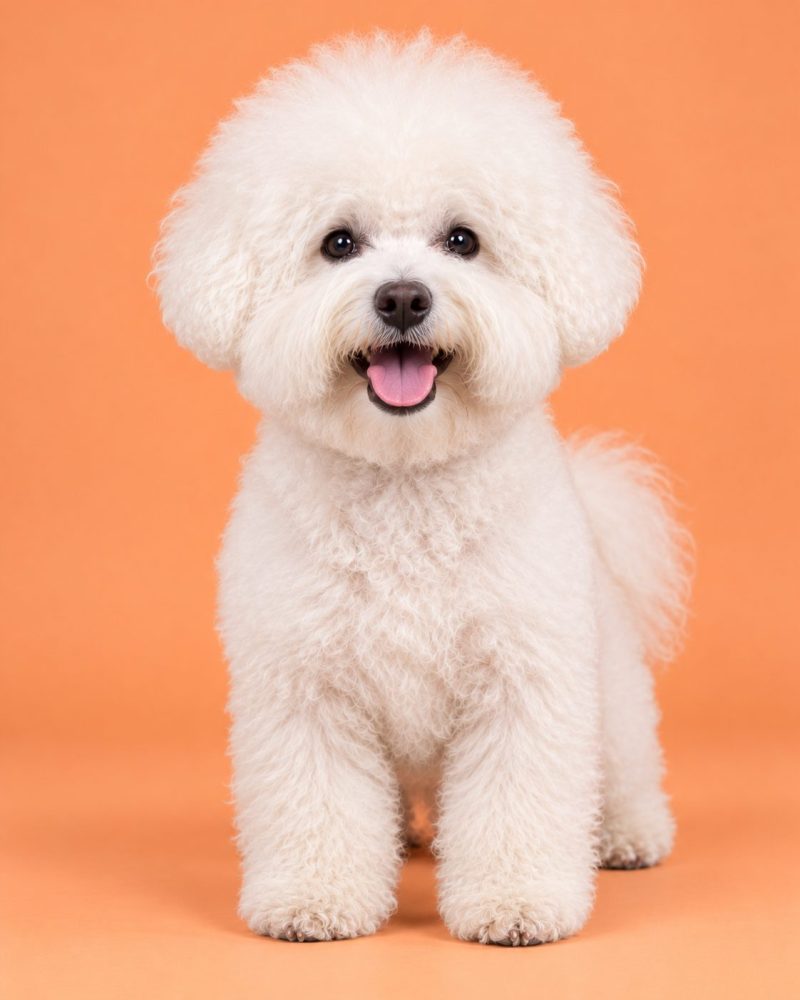
A Bichon in full show trim looks like a powder puff with eyes, and keeping it that way is the real cost of the breed. The white coat grows and grows. It sheds very little, so loose hair stays trapped in the curls and knots up unless you brush often. Most owners brush every day or close to it and book a groomer every month or two. Skip that and you end up with a matted dog and a very short shave.
The dog under the coat is a sturdy, merry little comedian. Bichons were companions to sailors and then to European courts, and later they performed in circuses and street shows. They still love an audience. Most greet strangers, kids and other pets with a wagging tail. They also adapt well to an apartment if they get a couple of short walks and some play.
Bichons suit people who are home a fair amount, including seniors and families with gentle kids. They tend to fret when left for long hours, and some take a while to house train, so patience and a steady routine matter in the first months. No dog is allergy-proof, though some people with mild allergies cope better with this coat, so visit adult dogs before deciding. Grooming prices vary by region, so get a quote from a local groomer first.
Care basics
Exercise
Around 30 minutes to an hour a day covers it, usually a couple of walks and some indoor fetch. Many Bichons get a burst of mad running in the evening, which is normal. They enjoy tricks and small-dog agility. Keep play gentle on hot days, and wipe paws after walks to keep the white feet clean.
Grooming
Brush and comb down to the skin daily or nearly so, using a slicker brush and a metal comb. Book a groomer every four to six weeks. Keep the hair around the eyes short, and wipe tear stains gently with a damp cloth. Brush the teeth several times a week, since small dogs are prone to dental disease.
Training
Use treats and fun, because Bichons respond to cheer, not pressure. House training needs a tight schedule: out after sleep, meals and play, with praise outside. Many owners use a crate or a small pen at first. Practice short alone times from the start to head off panic later.
Feeding
Bladder stones show up in the breed, and diet and water intake can affect them. Keep fresh water out all day and let your vet decide whether a special diet is needed. Measure small portions, as extra treats quickly add a pound. If you see straining or blood in the urine, call the vet.
Health checks
Have your vet feel the knees and look at the teeth at every visit. Mention any change in peeing. Itchy skin, ear smells or chewed paws can point to allergies. Ask about eye exams as your dog ages, since cataracts occur in the breed.
Home setup
A Bichon fits almost any home size. Keep it indoors with you, since it is a companion dog, not a yard dog. Gate off stairs and high decks while it is a puppy. A pen with a bed and toys gives it a safe space when you go out.
Health conditions common in the breed
| Condition | What to know |
|---|---|
| Patellar luxation | The kneecap can slip out of place, which shows as a skip in the step. Mild cases may need nothing, while severe ones may need surgery. |
| Bladder stones | Stones can form in the bladder and cause straining, blood in the urine or a blockage. Your vet manages them with diet, medicine or surgery. |
| Allergies | Skin allergies are common and show up as scratching, licking and ear infections. Triggers can be food or things in the environment. |
Not every Bichon Frise will have these. Your vet can tell you what to screen for and when.
Common behaviour questions
Why does my Bichon scoot on the carpet?
Scooting often means full or irritated anal glands, which small dogs commonly get. A vet or groomer can empty them. If it keeps happening, ask your vet about allergies, which can also cause itching back there.
Why does my Bichon lick my face so much?
Face licking is a greeting and a way to ask for attention, and this breed loves attention. If you dislike it, turn your face away and reward a sit instead. Give your attention when it is calm.
My Bichon whines in its pen when I leave. What helps?
Start with exits of a few minutes and come back before the whining starts. Give a stuffed chew only when you leave, so going out predicts something good. If it panics for long periods, talk to your vet.
FAQ
What does Bichon Frise mean?
It is French and is usually translated as curly lap dog. The breed was shaped in France and Belgium, though its roots go back to small white dogs of the Mediterranean.
What is a puppy cut on a Bichon?
It is a short, even trim all over that is much easier to keep than the round show look. You still need to brush between visits, but mats form more slowly.
Are Bichons good with other dogs?
Most are friendly and playful with other dogs and cats. Watch play with much bigger dogs, because a rough game can hurt small knees.
Not veterinary advice. Breed traits are averages and every dog is an individual. Talk to your vet about your own dog's health.
Sources
- en.wikipedia.org /wiki/Bichon_Frise
- pdsa.org.uk /pet-help-and-advice/looking-after-your-pet/puppies-dogs/small-dogs/bichon-frise
Similar breeds to compare
The 10-question quiz asks about your home, your week and your patience, then points you to one breed to read about first.